Ant Group’s flagship AI-powered health application, Ant Afu (formerly known as AQ), has officially surpassed 150 million registered users, cementing its position as the world’s largest professional health AI app by user count. The announcement was made by Zhang Junjie, Vice President of Ant Group and Head of the Health Business, during the 2026 INCLUSION Conference on the Bund in Shanghai. With nearly 20 million health inquiries processed daily, the platform has demonstrated remarkable growth momentum, expanding its user base by 50 percent in just eight months since reaching the 100 million mark in February 2026. This milestone reflects a broader transformation in how Chinese consumers approach digital health management, signaling a decisive shift toward AI-driven wellness solutions that bridge the gap between medical knowledge and daily practice.
The rapid ascent of Ant Afu offers valuable insights into the evolving landscape of consumer health technology, particularly in markets where access to traditional medical resources remains uneven. Unlike Western approaches that predominantly position AI as a clinical decision-support tool for healthcare professionals, Ant Afu has adopted a consumer-centric strategy, directly empowering individuals to manage their everyday health while facilitating connections to hospitals and human doctors when needed. This distinctive model has resonated strongly with users across diverse demographic segments, establishing a new benchmark for health AI deployment at scale.
The Genesis and Evolution of Ant Afu
Ant Group launched AQ in June 2025 with a clear mission: to address everyday health needs and support the formation of sustainable healthy habits. The application was initially designed around AI-enabled medical services, encompassing doctor recommendations, hospital appointment booking, and online consultations. However, recognizing the multifaceted nature of health management, the platform has since expanded into five comprehensive wellness domains: weight management, physical exercise, nutrition, sleep quality, and mental wellbeing.
The strategic pivot from a purely medical-services orientation toward holistic health management reflects a sophisticated understanding of consumer behavior. People often possess adequate knowledge about healthy practices yet struggle to translate that awareness into consistent action. Zhang Junjie articulated this challenge succinctly: “People often know what they should do to manage their health, but find it difficult to put that knowledge into practice. Leveraging AI capabilities and a professional partner ecosystem, AQ aims to help people better understand and manage their health with personalized user experience”.
Core Features and Functionality
Ant Afu’s comprehensive feature set distinguishes it from conventional health applications. The platform now incorporates a dedicated Health section on its homepage, positioned alongside its AI chat and medical-service entrances, providing users with streamlined access to health management tools and information.
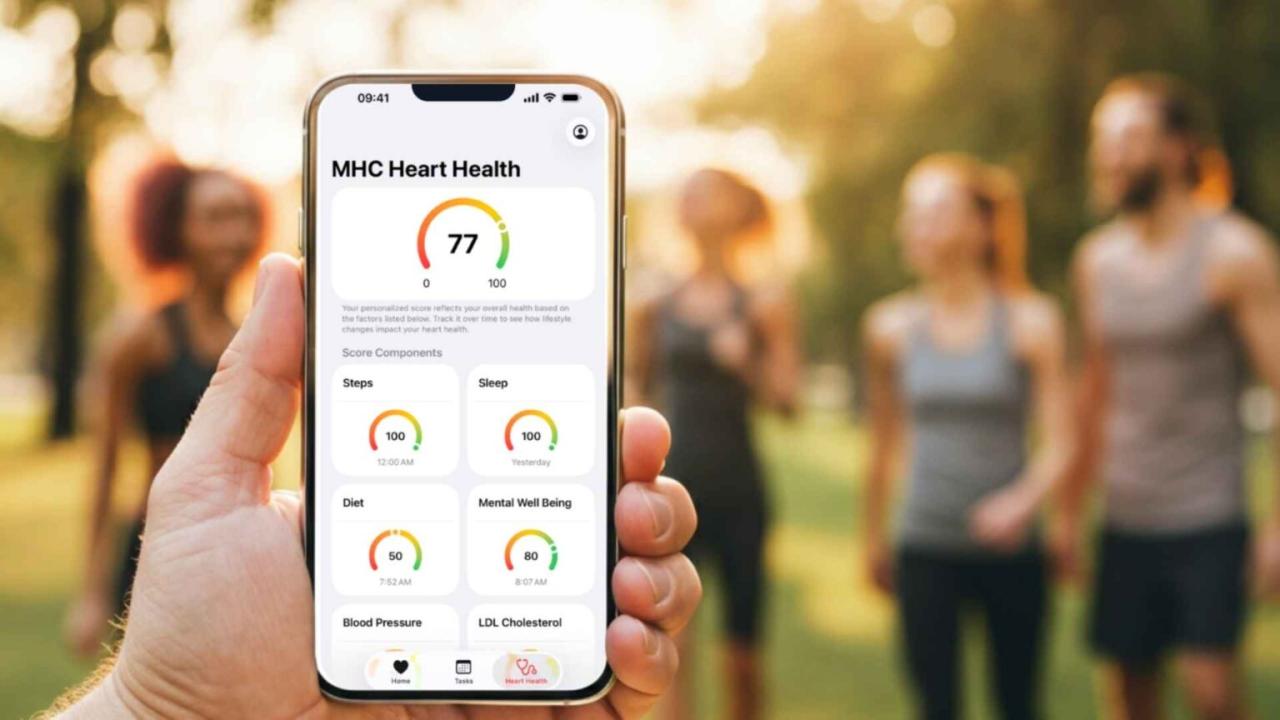
The application enables users to connect smartwatches, fitness bands, and other health devices, while also allowing manual logging of dietary information. Through these integrations, Ant Afu tracks more than ten health indicators, including weight and sleep patterns, delivering personalized health assessments, analytical insights, and actionable recommendations. The system’s capacity to leverage previous user interactions enables proactive interventions; for instance, it may detect declining protein intake over the course of a week or identify fluctuating sleep duration, subsequently offering tailored suggestions for adjustment.
Beyond passive monitoring, Ant Afu has introduced several AI-powered health management features designed to actively support behavior change. These include an AI food scan function for calorie management, AI vitality management capabilities, and an AI weight management coach that provides ongoing guidance and motivation.
Understanding the User Base
The demographic composition of Ant Afu’s user base reveals important insights about the platform’s reach and impact. According to data shared by Ant Group, approximately 55 percent of users reside in third-tier cities and lower-tier markets, indicating that AI-powered health services are effectively penetrating regions with comparatively limited access to medical resources. This distribution pattern suggests that Ant Afu is helping to democratize health management, extending sophisticated tools to populations that have historically faced barriers to quality healthcare guidance.
Seniors represent a significant 25 percent of the user base, highlighting the platform’s accessibility and utility for older demographics who may require more frequent health monitoring and support. Furthermore, 16 percent of health consultations occur during nighttime hours, demonstrating that Ant Afu provides valuable round-the-clock assistance when traditional healthcare services are unavailable.
The platform’s growth trajectory has been notably influenced by strategic promotional efforts, particularly during the Lunar New Year holiday period when AQ topped China’s Apple App Store download chart for several consecutive days. During this period, younger users frequently installed the application for parents and grandparents, functioning as a gift that introduced older family members to AI-powered health management. Ant Group invested tens of millions of dollars in promotional activities, from subway advertisements to painted walls in rural communities, significantly expanding the platform’s reach.
Weight Management Initiative and Measurable Outcomes
A cornerstone of Ant Afu’s health management strategy has been its ambitious weight management campaign. In June 2026, the platform launched a nationwide initiative encouraging users to collectively lose 50 million kilograms through science-based and sustainable weight control methods, supported by smart devices, personalized AI health coaching, and incentive mechanisms.
The results have been substantial. As of September 2026, more than 2.75 million individuals have participated in the program, collectively achieving weight loss exceeding 2.5 million kilograms. Over 230,000 users lost between five and ten jin, while more than 50,000 users lost between ten and twenty jin. Notably, more than 80,000 participants transitioned from overweight or obese BMI classifications into the normal range, representing meaningful health improvements for a substantial population segment.
These outcomes underscore the potential of AI-powered interventions to facilitate tangible health behavior change at scale. The integration of smart devices for activity tracking, personalized AI coaching for ongoing guidance, and incentive mechanisms for sustained engagement collectively contributed to the program’s effectiveness.
Ecosystem Collaboration and Strategic Partnerships
Ant Afu’s approach to health management extends beyond standalone digital tools, emphasizing collaboration across a multifaceted ecosystem. The platform connects AI-powered health management with online medical services, encompassing 5,000 hospitals and 300,000 human doctors, according to company statements. This integration ensures that users can seamlessly transition from preventive health management to professional medical consultation when necessary, creating a comprehensive continuum of care.
Zhang Junjie emphasized the importance of collaborative approaches: “Health management requires collaboration across the ecosystem and a long-term commitment. AQ will continue to work with partners in smart hardware, healthy food, sports and nutrition to develop professional and personalized solutions and offer AI-powered health use cases that best cater to users’ needs at different stages of life”.
The application’s partner ecosystem spans multiple sectors, including smart hardware manufacturers, healthy food providers, sports and fitness organizations, and nutrition specialists. This multifaceted collaboration enables Ant Afu to deliver integrated solutions that address the interconnected dimensions of health rather than treating wellness as an isolated concern.
The Broader Context: Health as a Consumer Priority
Ant Afu’s growth trajectory aligns with a significant shift in consumer priorities across China. According to Accenture’s China Consumer Insights report published in November 2025, the proportion of Chinese consumers who considered health a priority increased from 78 percent in 2021 to 87 percent in 2025, making it the foremost concern among surveyed areas, surpassing both career advancement and wealth accumulation.
This heightened health consciousness has created fertile ground for digital health solutions that empower individuals to take greater control of their wellbeing. Ant Afu’s expansion from weight management into exercise, diet, sleep, mental health, and medical care directly addresses this evolving consumer demand for comprehensive, accessible, and personalized health support.
Examining the “User” Metric: Nuances and Considerations
While the 150 million user milestone represents a remarkable achievement, it warrants contextual examination. Industry analysts have noted that the figure refers to total registered users rather than monthly active users, a distinction that carries significant implications for understanding actual engagement levels. In December 2025, when Ant Group reported approximately 15 million monthly active users, it simultaneously referenced a 100-million-user total meaning roughly one in seven individuals who had installed the application continued using it a month later.
This disparity between registered and active users reflects a common pattern in consumer applications, where installation does not necessarily translate into habitual usage. Health applications, in particular, face challenges in establishing consistent engagement patterns, as users often seek them out during periods of illness or health concern but may neglect them during periods of wellbeing.
Ant Group’s strategic response to this challenge involves positioning Ant Afu as a companion for daily health management rather than a tool reserved for illness episodes. The platform’s expansion into wellness domains exercise tracking, nutritional guidance, sleep monitoring, and mental wellbeing support represents an effort to transform a potentially low-frequency health tool into a consistent daily companion.
Implications for Global Health AI Development
Ant Afu’s rapid growth and distinctive approach offer valuable lessons for health AI development worldwide. While American technology companies have largely focused on deploying AI as a tool for healthcare professionals within clinical settings, Ant Afu demonstrates the potential of direct-to-consumer health AI that combines everyday wellness management with access to professional medical resources.
This consumer-centric model holds particular relevance for markets characterized by uneven distribution of medical resources. By reaching users in lower-tier cities and rural communities, Ant Afu illustrates how AI-powered health services can extend beyond urban centers to address health management needs in underserved areas. The platform’s ability to provide nighttime consultations and serve senior populations further demonstrates its potential to fill gaps in traditional healthcare delivery systems.
Challenges and Future Directions
Despite its impressive growth, Ant Afu faces several challenges that will shape its future trajectory. Establishing sustained user engagement remains a priority, particularly as the platform seeks to transition from a downloadable application to an indispensable daily health companion. The company’s investments in personalized follow-ups, proactive health alerts, and AI coaching represent strategic efforts to cultivate habitual usage patterns.
Data privacy and security considerations also loom large for any health platform handling sensitive personal information at scale. As Ant Afu continues to integrate with smart devices and collect diverse health indicators, maintaining user trust through transparent data practices will be essential to long-term success.
Regulatory considerations represent another dimension requiring careful navigation. Health AI applications operate at the intersection of digital technology and healthcare regulation, necessitating compliance with evolving frameworks governing both sectors. Ant Group’s experience navigating these complexities may inform regulatory approaches in other markets as health AI adoption accelerates globally.
Conclusion
Ant Afu’s achievement of 150 million users within approximately fifteen months of launch represents a watershed moment in consumer health AI. The platform’s evolution from a weight-management-focused application to a comprehensive wellness ecosystem addressing exercise, nutrition, sleep, mental health, and medical care reflects both technological capability and a nuanced understanding of consumer needs.
The platform’s success in reaching users across diverse geographic and demographic segments including significant penetration in lower-tier cities and meaningful adoption among senior populations demonstrates the potential of AI to democratize health management. The measurable outcomes of its weight management initiative, with millions of kilograms lost and tens of thousands of users achieving healthier BMI classifications, provide tangible evidence of the platform’s impact.
As Ant Afu continues to evolve, its trajectory will inform broader conversations about the role of AI in healthcare delivery, the cultivation of digital health habits, and the development of consumer-centric models that complement traditional medical systems. The platform’s emphasis on ecosystem collaboration, personalized guidance, and bridging the gap between health knowledge and practical action positions it as a pioneering force in the rapidly expanding field of AI-powered wellness management.
The coming years will reveal whether Ant Afu can sustain its growth momentum, deepen user engagement, and navigate the complex regulatory and ethical considerations inherent to digital health platforms operating at massive scale. Regardless of future developments, the 150 million user milestone stands as a significant testament to the potential of AI to transform how individuals approach their health and wellbeing.