
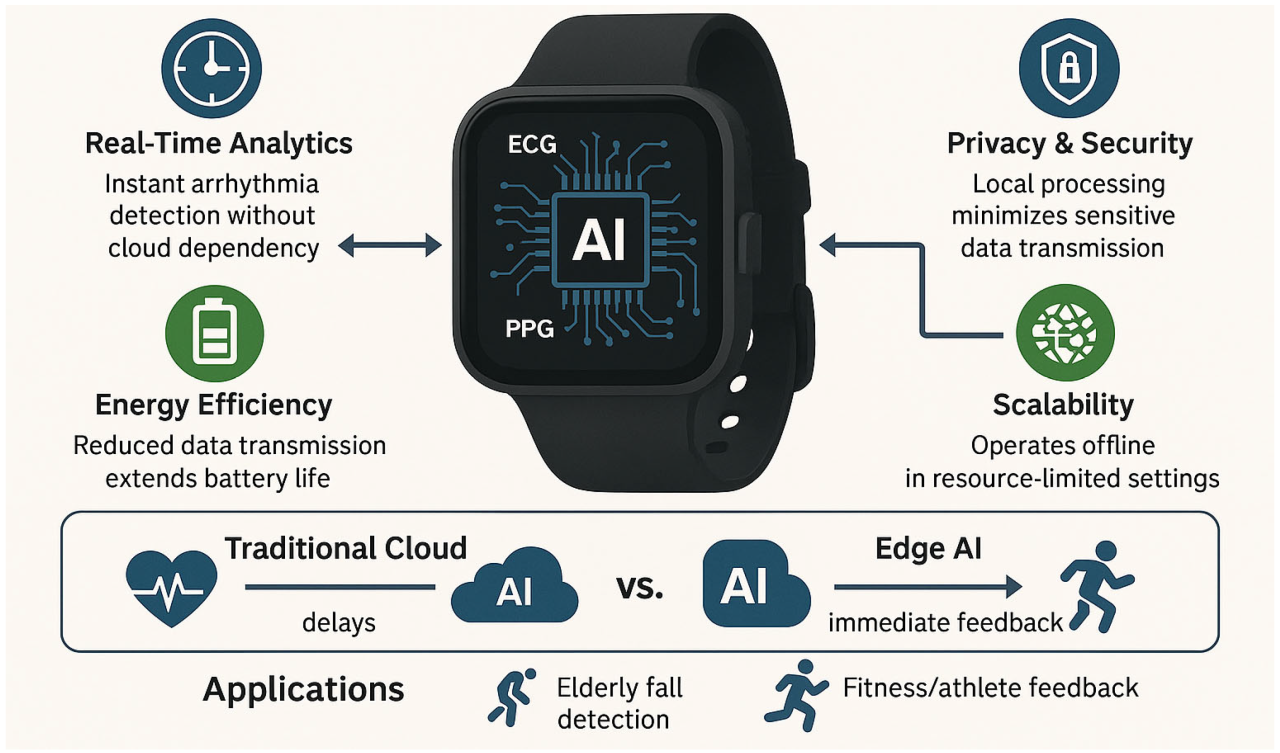
Metabolic health has become one of the most important conversations in modern wellness. It affects how the body uses energy, manages blood sugar, stores fat, and responds to stress. Poor metabolic health is linked to insulin resistance, type 2 diabetes, obesity, cardiovascular disease, and even cognitive decline. Yet many people do not realize their metabolism is struggling until a doctor notices abnormal bloodwork or a serious symptom appears. This is where a wearable AI metabolic health coach enters the picture. By combining biosensors, artificial intelligence, and behavior-change science, these tools aim to turn everyday data into personalized guidance.
A wearable AI metabolic health coach is not simply a fitness tracker. It is a smart system that collects continuous physiological data, analyzes patterns, and delivers actionable advice. It may use a continuous glucose monitor, a smartwatch, a smart ring, a skin patch, or a combination of devices. The AI then interprets signals such as glucose variability, heart rate variability, sleep quality, movement, and even meal timing. Instead of offering generic advice like “eat less and move more,” it helps users understand what works for their unique body.
This article explores what a wearable AI metabolic health coach is, how it works, its benefits, limitations, and future potential. It also explains how to choose the right system and how to use it in daily life.
What Is a Wearable AI Metabolic Health Coach?
A wearable AI metabolic health coach is a digital health platform that pairs wearable sensors with machine learning algorithms. The goal is to help users improve metabolic flexibility, stabilize blood sugar, manage weight, increase energy, and reduce long-term disease risk. The coach may appear as a mobile app, a dashboard, or a voice assistant. It may also integrate with telehealth services or clinical care teams.
Unlike traditional fitness apps that focus mainly on steps and calories, a metabolic health coach looks at internal signals. It asks questions such as: How did your blood sugar respond to that breakfast? Did poor sleep make you more insulin resistant today? Did a short walk after dinner reduce your glucose spike? How does stress affect your cravings? The AI connects these dots and suggests small changes that can lead to big improvements over time.
The core idea is personalization. Two people can eat the same meal and have completely different glucose responses. One may spike sharply, while the other remains stable. A wearable AI coach learns these individual differences and adapts its recommendations accordingly.
How a Wearable AI Metabolic Health Coach Works
The technology behind these coaches can seem complex, but the basic process is straightforward: sense, analyze, coach, and adapt. The following components are common in most systems.
A. Continuous glucose monitoring
A continuous glucose monitor, or CGM, is a small sensor worn on the arm or abdomen. It measures glucose in interstitial fluid every few minutes. This gives a real-time view of blood sugar trends, including spikes after meals, overnight dips, and the impact of exercise. For people with diabetes, CGMs are already standard. For general wellness users, they offer a window into how lifestyle choices affect metabolism.
B. Heart rate and heart rate variability
Heart rate variability, or HRV, reflects the balance between the sympathetic and parasympathetic nervous systems. Lower HRV can indicate stress, poor recovery, or fatigue. Higher HRV often suggests good recovery and resilience. A wearable AI coach uses HRV to adjust recommendations. On a low-HRV day, it might suggest gentler exercise, earlier sleep, or stress-reduction techniques.
C. Sleep architecture and timing
Sleep is a metabolic powerhouse. Short or irregular sleep can increase insulin resistance, hunger hormones, and cravings. Wearables track sleep duration, stages, and consistency. The AI can then correlate sleep patterns with glucose control, energy levels, and mood. It may recommend a consistent bedtime, less late-night eating, or a cooler bedroom.
D. Movement and exercise patterns
Not all movement is equal. A brisk walk after a meal can lower post-meal glucose, while intense exercise can temporarily raise it. A wearable AI coach tracks steps, workouts, heart rate zones, and recovery. It can suggest the right type, timing, and intensity of exercise for metabolic benefit.
E. Nutrition and hydration logging
Users often log meals, snacks, and drinks. The AI analyzes macronutrients, fiber, timing, and portion sizes. It may notice that a high-carb breakfast causes a crash, while a protein-rich breakfast stabilizes energy. Hydration also matters because dehydration can affect glucose concentration and heart rate.
F. AI pattern recognition and prediction
The most important part is the AI engine. It looks for correlations and causations across days and weeks. It might discover that poor sleep on Tuesday leads to higher glucose on Wednesday. Or that a 10-minute walk after lunch reduces afternoon cravings. Over time, the coach becomes more accurate and personalized.
Key Features of a Good Wearable AI Metabolic Health Coach
Not all coaches are created equal. A high-quality system should offer several core features.
A. Real-time feedback and nudges
The coach should provide timely suggestions. For example, if glucose is rising quickly after a meal, it might suggest a short walk or a glass of water. If HRV is low, it might recommend a breathing exercise.
B. Personalized meal timing and composition
The AI can suggest when to eat and how to combine foods. It may recommend eating protein and vegetables before carbohydrates, or shifting the largest meal earlier in the day.
C. Exercise prescriptions
Instead of generic “exercise more,” the coach can prescribe specific activities. It might suggest zone 2 cardio on one day and resistance training on another, based on recovery and glucose trends.
D. Sleep optimization
Sleep coaching may include bedtime reminders, wind-down routines, caffeine cut-off times, and light exposure advice. The goal is to improve sleep consistency and quality.
E. Stress management
Chronic stress raises cortisol, which can increase blood sugar and abdominal fat. A good coach offers short, practical stress-reduction tools such as breathing exercises, mindfulness, or nature walks.
F. Long-term trend analysis
Daily data can be noisy. The coach should show weekly and monthly trends. This helps users see progress, identify setbacks, and stay motivated.
Benefits of Using a Wearable AI Metabolic Health Coach
The potential benefits are wide-ranging. They go beyond weight loss and blood sugar control.
A. Better glucose control
By showing real-time glucose responses, the coach helps users avoid sharp spikes and crashes. This can improve HbA1c, reduce insulin resistance, and support overall metabolic health.
B. Weight management
Stable blood sugar can reduce hunger and cravings. When users understand which foods keep them full and energized, they naturally eat less without feeling deprived.
C. More stable energy
Many people experience afternoon slumps, brain fog, and fatigue. A metabolic coach can identify triggers such as poor sleep, high-carb lunches, or dehydration. Small adjustments can lead to steady energy throughout the day.
D. Reduced risk of chronic disease
Improved glucose control, better sleep, and regular movement can lower the risk of type 2 diabetes, heart disease, and fatty liver disease. Prevention is far better than treatment.
E. Stronger behavior change
Knowledge alone rarely changes behavior. A coach provides accountability, reminders, and positive reinforcement. It turns vague intentions into specific daily actions.
F. Better clinical collaboration
Users can share data with doctors, dietitians, or diabetes educators. This gives clinicians a richer picture than a single blood test. It can lead to more personalized treatment plans.
Who Can Benefit Most?

A wearable AI metabolic health coach is not only for people with diabetes. It can help a wide range of users.
A. People with prediabetes or type 2 diabetes
They can see how food, exercise, stress, and sleep affect glucose. This supports better self-management and may reduce medication needs under medical supervision.
B. Athletes and fitness enthusiasts
Metabolic flexibility is key for performance. Athletes can use the coach to optimize fueling, recovery, and body composition.
C. Busy professionals
People with demanding jobs often skip meals, sleep poorly, and rely on caffeine. A coach can help them build sustainable routines that fit their schedule.
D. Older adults
Metabolic health declines with age. A coach can help preserve muscle, manage blood sugar, and maintain independence.
E. Women with hormonal concerns
Conditions such as polycystic ovary syndrome are tied to insulin resistance. A metabolic coach can support lifestyle changes that improve symptoms.
F. Health optimizers
Some users are already healthy but want to perform better, age slower, and reduce future risk. They use the coach as a preventive tool.
Limitations and Considerations
No technology is perfect. Users should be aware of the following limitations.
A. Accuracy and reliability
Consumer wearables are not medical devices. CGM accuracy can vary, and heart rate sensors may struggle during certain activities. Users should not make major medical decisions based on consumer data alone.
B. Privacy and data security
Metabolic data is sensitive. Users should check how companies store, share, and sell data. Strong encryption and clear privacy policies are essential.
C. Overreliance and anxiety
Some people become obsessed with numbers. This can lead to anxiety, disordered eating, or orthosomnia, which is an unhealthy preoccupation with sleep tracking. A coach should promote balance, not fear.
D. Cost and accessibility
Sensors, subscriptions, and smartphones can be expensive. Not everyone can afford continuous monitoring. This raises concerns about health equity.
E. Regulatory gaps
Many wellness coaches make claims that are not clinically proven. Users should look for products with research backing and transparent limitations.
F. Not a replacement for medical care
A wearable AI coach cannot diagnose, treat, or cure disease. It is a support tool. Anyone with a medical condition should work with a qualified healthcare provider.
How to Choose the Right Wearable AI Metabolic Health Coach
With many options available, choosing can be overwhelming. Consider these factors.
A. Sensor compatibility
Does the system work with your existing devices? Can it integrate with a CGM, smartwatch, or ring? Compatibility reduces friction.
B. Quality of AI insights
Look for specific, actionable advice rather than generic tips. Read reviews and research. A good AI explains why it makes a recommendation.
C. Actionable and simple interface
The app should be easy to use. If it is too complex, you will not use it consistently. Clear graphs, simple language, and daily priorities matter.
D. Data privacy and security
Check the privacy policy. Look for encryption, anonymization, and the ability to delete your data. Avoid companies that sell data to third parties without consent.
E. Integration with healthcare
Can you export reports to your doctor? Does the company offer access to dietitians or health coaches? Clinical integration adds value.
F. Price and subscription model
Some devices are cheap but require expensive subscriptions. Calculate the total cost over one year. Consider whether the value justifies the price.
The Future of Wearable AI Metabolic Health Coaching
The field is moving quickly. Several trends will shape the next generation of coaches.
A. Non-invasive sensors
Future devices may measure glucose, lactate, ketones, and hydration through sweat, tears, or light. This would make monitoring more comfortable and accessible.
B. Multi-omics and deep personalization
AI may combine genetic data, microbiome profiles, blood biomarkers, and wearable data. This would create highly personalized nutrition and exercise plans.
C. Closed-loop interventions
Imagine a system that automatically adjusts insulin delivery, suggests a snack, or changes your workout based on real-time glucose. Closed-loop systems are already emerging for diabetes and may expand to wellness.
D. Telehealth integration
Coaches may connect directly with doctors, dietitians, and therapists. This creates a seamless care experience. Users can get professional guidance without leaving home.
E. Preventive healthcare
Insurance companies and employers may cover wearable AI coaches to reduce chronic disease costs. This could shift healthcare from reactive treatment to proactive prevention.
F. Personalization at scale
As AI improves, it will deliver personalized coaching to millions of people at low cost. This could democratize metabolic health support.
A Practical Daily Routine with a Wearable AI Coach
To see how this works in real life, consider a typical day.
A. Morning review
Upon waking, check sleep score, HRV, and overnight glucose. If sleep was poor, choose a gentler workout and a protein-rich breakfast. If glucose is stable, proceed with a normal routine.
B. Midday movement
After lunch, take a 10-minute walk. The coach may send a reminder if glucose starts rising. This simple habit can significantly reduce post-meal spikes.
C. Afternoon stress check
If HRV drops or heart rate rises, try a two-minute breathing exercise. Drink water. Choose a small snack with protein and fiber instead of refined carbs.
D. Evening meal timing
Eat dinner at least two to three hours before bed. The coach may suggest a lower-carb meal if glucose has been variable. A light walk after dinner can further improve control.
E. Night wind-down
Reduce screen time, dim lights, and keep the bedroom cool. The coach may remind you to go to bed at a consistent time. Good sleep prepares the body for better metabolic health tomorrow.
Conclusion

A wearable AI metabolic health coach represents a powerful shift in personal wellness. It moves beyond counting steps and calories to understanding the body’s internal signals. By combining continuous glucose monitoring, heart rate variability, sleep tracking, movement data, and AI-driven insights, it offers personalized guidance that can improve energy, weight, and long-term health. It is not a magic bullet, and it cannot replace medical care. But when used wisely, it can help people make smarter daily choices. As technology improves, these coaches will become more accurate, affordable, and integrated into healthcare. The future of metabolic health is not just about treating disease. It is about preventing it, one personalized decision at a time.