
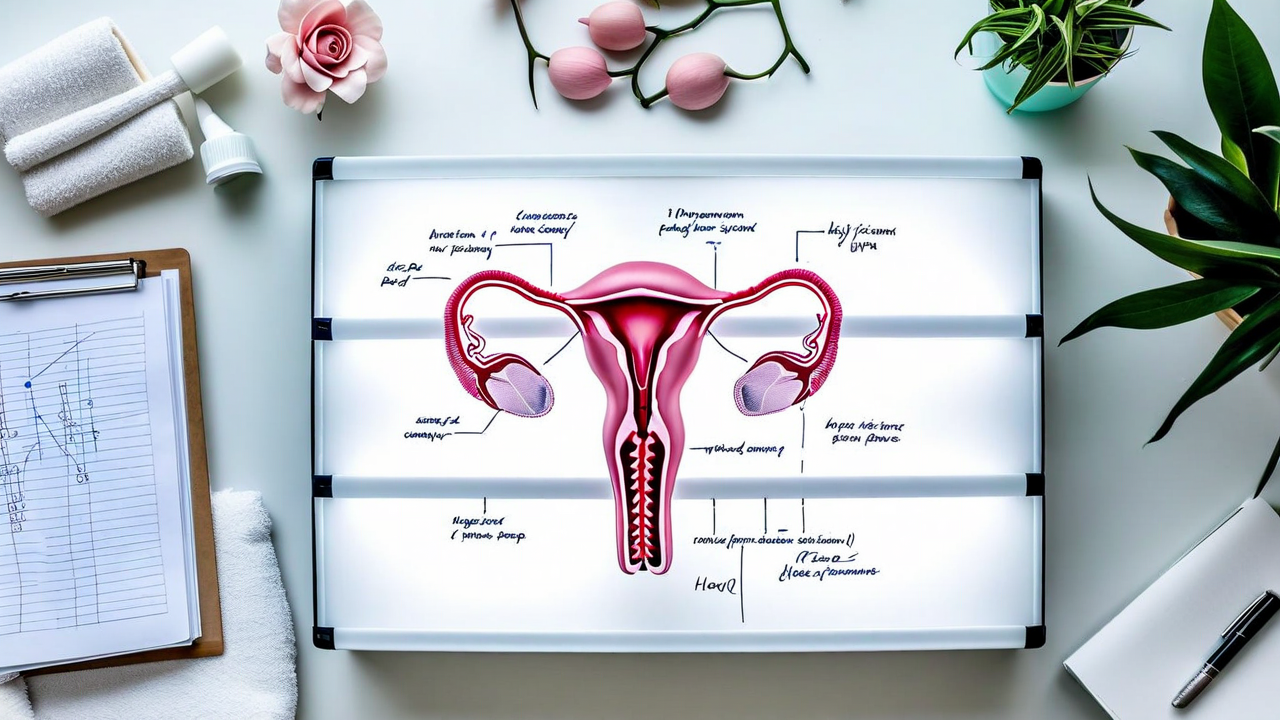
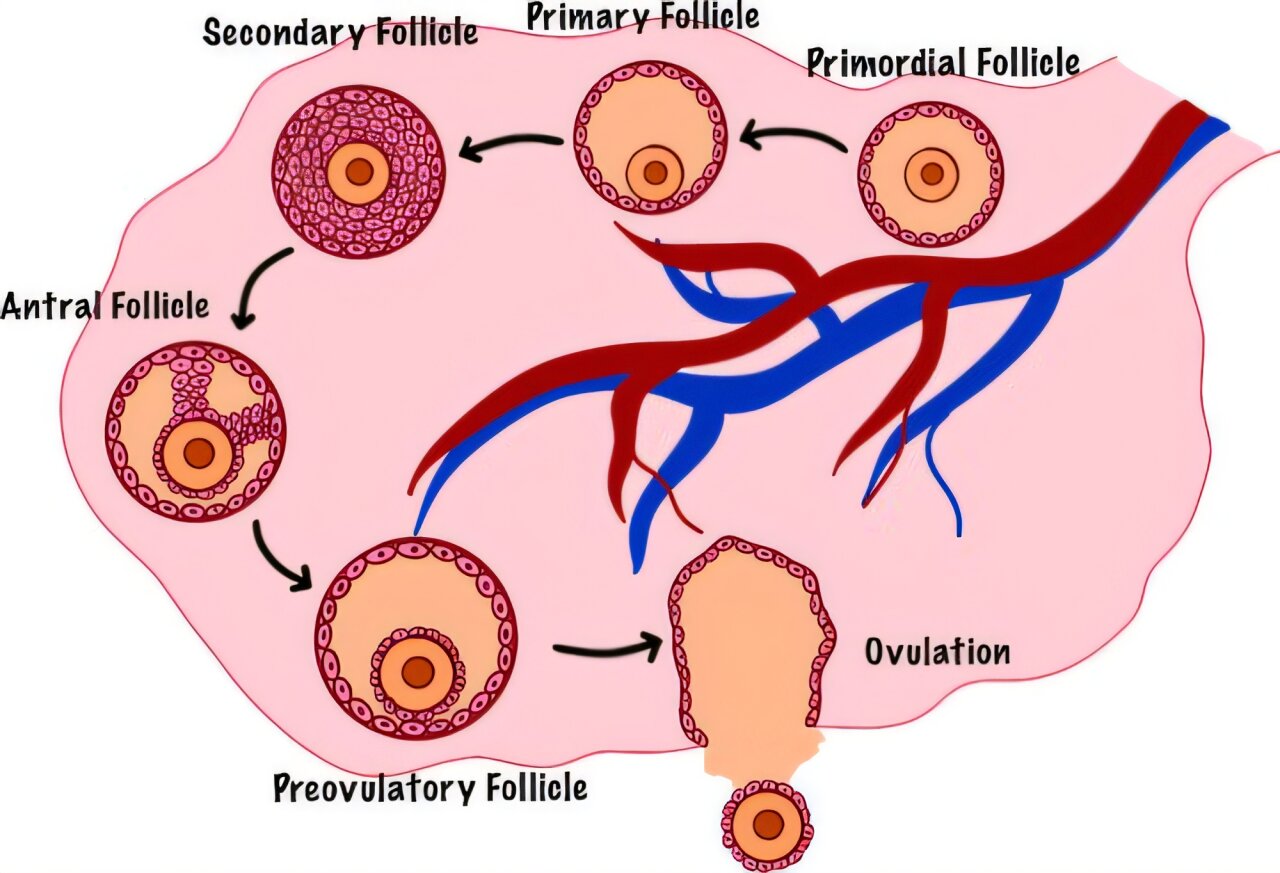
Ovarian aging represents one of the most consequential biological transitions in a woman’s life, yet its mechanisms and potential for modification remain poorly understood by the general public. Unlike most organs in the body, the ovary operates under a finite, non-renewable reserve of primordial follicles established during fetal development. The exhaustion of this reserve does not merely signal the end of reproductive capacity it initiates a cascade of systemic changes that ripple through nearly every physiological system. Cardiovascular health, bone density, metabolic regulation, and even neurocognitive function are profoundly influenced by the hormonal milieu produced by functioning ovaries.
The progressive depletion of the primordial follicle pool begins far earlier than most women realize. By the third decade of life, ovarian function has already begun its measurable decline, with accelerating losses in both follicle quantity and oocyte quality. This decline is not merely a passive wearing-out of tissue but an active biological process driven by cellular senescence, oxidative stress, mitochondrial dysfunction, and chronic low-grade inflammation. The recognition that ovarian aging is an active, modifiable process rather than an inevitable fate has catalyzed an entire field of regenerative medicine dedicated to what is now termed “ovarian aging reversal therapy.”
This article examines the scientific foundations, therapeutic modalities, clinical evidence, and future prospects of ovarian rejuvenation strategies. It distinguishes between genuine biological reversal and transient follicular activation, evaluates the strength of current evidence, and outlines the challenges that must be overcome before these interventions achieve routine clinical validation.
Understanding the Mechanisms of Ovarian Aging
Ovarian aging is not a single process but a convergence of multiple interconnected molecular pathways. Understanding these mechanisms is essential for developing targeted therapeutic interventions. The following framework categorizes the principal drivers of ovarian senescence.
A. Genomic Instability and DNA Damage Accumulation
Over time, oocytes and surrounding granulosa cells accumulate DNA damage from both endogenous metabolic byproducts and exogenous environmental insults. Unlike somatic cells with robust repair mechanisms, oocytes have limited capacity for DNA repair, particularly as they remain arrested in prophase of meiosis I for decades. This accumulation of genetic lesions compromises oocyte competence and contributes to the elevated rates of aneuploidy observed in advanced maternal age.
B. Mitochondrial Dysfunction and Oxidative Stress
The ovary is among the most metabolically active tissues in the female body, and this high energy demand renders it particularly vulnerable to mitochondrial dysfunction. Declining mitochondrial function reduces ATP production, increases reactive oxygen species (ROS) generation, and impairs the delicate redox balance required for proper follicular development. The resulting oxidative stress damages lipids, proteins, and DNA, creating a self-perpetuating cycle of cellular damage and functional decline.
C. Cellular Senescence and the SASP
Senescent cells accumulate in the ovarian stroma and follicular microenvironment with advancing age. These cells undergo permanent cell-cycle arrest yet remain metabolically active, secreting a complex cocktail of pro-inflammatory cytokines, chemokines, proteases, and growth factors collectively known as the senescence-associated secretory phenotype (SASP). The SASP disrupts the follicular niche, promotes fibrosis, and creates a chronic inflammatory environment that impairs follicle growth and oocyte maturation.
D. Ovarian Fibrosis and Microenvironmental Remodeling
Repeated ovulatory cycles leave scars in the ovarian stroma. By age 35, a woman may have accumulated approximately 450 ovulatory scars, each contributing to interstitial fibrosis and compromising the vascularization essential for delivering nutrients and signals to developing follicles. This fibrotic remodeling reduces the bioavailability of hyaluronic acid, impairs extracellular matrix dynamics, and disrupts the paracrine signaling networks that maintain folliculogenesis.
E. Nutrient-Sensing Pathway Dysregulation
The mechanistic target of rapamycin (mTOR) and insulin/insulin-like growth factor (IGF-1) signaling pathways serve as central regulators of cellular metabolism, growth, and survival. With aging, these pathways become dysregulated, contributing to the accelerated decline in ovarian function. The mTOR pathway in particular has emerged as a promising therapeutic target, as its inhibition has demonstrated the capacity to extend ovarian lifespan in preclinical models.
Therapeutic Approaches to Ovarian Rejuvenation
The therapeutic landscape for ovarian aging reversal encompasses a diverse array of interventions, ranging from pharmacological agents to regenerative cell-based therapies. Each modality targets one or more of the fundamental aging mechanisms described above. The following sections evaluate the principal approaches currently under investigation.
A. Senolytic and Senomorphic Therapies
Senolytic agents selectively eliminate senescent cells, while senomorphics modulate their secretory phenotype without inducing cell death. Both strategies aim to reduce the burden of senescence in the ovarian microenvironment and restore a more youthful tissue architecture.
Dasatinib plus quercetin (D+Q) represents the most extensively studied senolytic combination. Preclinical investigations have demonstrated that D+Q selectively clears senescent ovarian cells, reduces SASP-driven inflammation, and improves follicular survival. Fisetin, a plant-derived flavonoid, has similarly shown efficacy as a senolytic agent in ovarian tissue models.
Senomorphic interventions include rapamycin, metformin, and melatonin. Rapamycin, an mTOR inhibitor, has received particular attention following demonstrations that it can delay ovarian aging in mice. A prospective, randomized, double-blind, placebo-controlled pilot study is currently assessing low-dose rapamycin in women aged 35 to 45 with diminished ovarian reserve, marking an important translational step for the field. Metformin, widely used for type 2 diabetes, has demonstrated geroprotective effects through AMPK activation and mTOR inhibition. Melatonin, a chronobiotic hormone with antioxidant properties, has shown promise in preserving ovarian reserve in preclinical studies.
B. Platelet-Rich Plasma Therapy
Intraovarian platelet-rich plasma (PRP) injection has emerged as one of the most clinically accessible regenerative strategies. PRP is an autologous blood-derived concentrate enriched with growth factors, including platelet-derived growth factor (PDGF), vascular endothelial growth factor (VEGF), insulin-like growth factor 1 (IGF-1), transforming growth factor-beta (TGF-β), and epidermal growth factor (EGF). These bioactive molecules orchestrate angiogenesis, suppress apoptosis, and remodel the ovarian niche through activation of PI3K/Akt, MAPK, and mTOR signaling pathways.
The proposed mechanisms of PRP-mediated ovarian rejuvenation include:
-
Angiogenesis promotion: VEGF and other factors stimulate new blood vessel formation, improving oxygen and nutrient delivery to follicles.
-
Oxidative stress reduction: PRP contains antioxidants that neutralize reactive oxygen species and protect granulosa cells from oxidative damage.
-
Mitochondrial biogenesis: PRP stimulates the production of new mitochondria in granulosa cells, enhancing cellular energy metabolism.
-
Apoptosis suppression: Growth factors in PRP activate survival signaling pathways that prevent premature follicular atresia.
Early clinical studies have reported improvements in ovarian reserve markers such as anti-Müllerian hormone (AMH) and antral follicle count (AFC), along with partial hormonal recovery and resumption of menses in some patients with premature ovarian insufficiency. However, the evidence base remains limited by small sample sizes, heterogeneous protocols, and the absence of sham-controlled randomized trials.
C. Stem Cell-Based Therapies
Mesenchymal stem cells (MSCs) and their derivatives represent a more sophisticated regenerative approach. Adipose-derived stem cells (ADSCs) have gained particular attention due to their ease of harvest, multipotent differentiation capacity, and potent paracrine activity. When combined with PRP, ADSCs demonstrate synergistic effects that exceed either therapy alone.
The therapeutic mechanisms of MSC-based ovarian rejuvenation operate primarily through paracrine signaling rather than direct cellular replacement. MSCs secrete a complex array of growth factors, cytokines, and extracellular vesicles that collectively:
-
Reduce inflammation: MSCs suppress pro-inflammatory cytokine production and promote an anti-inflammatory microenvironment.
-
Protect mitochondrial function: MSCs activate SIRT3/PGC-1α, Nrf2/Keap1, and AMPK signaling pathways that enhance mitochondrial resilience.
-
Promote angiogenesis: MSC-derived factors stimulate vascular remodeling and improve ovarian perfusion.
-
Support follicular survival: Paracrine signals suppress granulosa cell apoptosis and promote follicle growth.
A landmark case report documented the first live births following intraovarian administration of adipose-derived stem cells combined with PRP in two women aged 45 and older. Both patients had histories of prolonged infertility and multiple failed IVF cycles. The first patient conceived naturally six months after treatment and delivered a healthy infant at age 47, while the second achieved pregnancy through frozen embryo transfer of her only euploid embryo produced after therapy. While these outcomes are encouraging, they represent isolated case reports rather than controlled evidence.
D. Extracellular Vesicle Therapies
Extracellular vesicles (EVs) derived from embryonic stem cells (ESCs) or MSCs offer a cell-free alternative that avoids the logistical and safety challenges associated with live cell administration. ESC-derived EVs have demonstrated the capacity to restore estrous cyclicity and fertility in chemotherapy-induced premature ovarian insufficiency mouse models, reduce ovarian fibrosis, and suppress senescence-associated phenotypes. Transcriptomic profiling revealed that ESC-EV treatment reverses dysregulation of POI-related genes including Figla, Nobox, Gdf9, Bmp15, and Bcl2, while modulating Nrf2 and DNA damage-response pathways.
E. Antioxidant and Nutraceutical Interventions
The recognition that oxidative stress is a central driver of ovarian aging has stimulated interest in antioxidant-based therapeutic strategies. Vitamin C has emerged as a particularly promising candidate following a landmark 3.3-year longitudinal study in cynomolgus macaques. Oral vitamin C supplementation significantly delayed ovarian aging, reducing oxidative stress and follicular depletion. Using a single-cell transcriptomic clock, researchers demonstrated that vitamin C reduced the biological age of oocytes by 1.35 years and ovarian somatic cells by 5.66 years. This geroprotective effect is mediated in part through activation of the NRF2 pathway, an intrinsic cellular antioxidant defense mechanism that alleviates inflammation and cellular senescence.
Other antioxidant molecules under investigation include resveratrol, curcumin, soybean isoflavones, and mitochondrial-targeted antioxidants such as SS31. SS31, a mitochondria-targeting peptide, preserves ovarian function by improving mitochondrial performance and redox homeostasis through the NRF2/HO-1 axis. Quercetin, a flavonoid with broad-spectrum antioxidant and anti-inflammatory properties, has demonstrated therapeutic efficacy in ovarian aging models.
F. Microbiota-Based Interventions
An emerging and unexpected avenue of investigation involves the gut-ovary axis. Recent research has demonstrated that ovarian aging is associated with distinct gut microbial profiles, and that heterochronic fecal microbiota transplantation from young to aged mice remodels the ovarian transcriptome, reduces inflammation-related gene expression, and induces transcriptional features consistent with ovarian rejuvenation. These findings reveal a direct link between the gut microbiome and ovarian health, suggesting that microbiota-targeted interventions may represent a novel therapeutic strategy.
Clinical Evidence: Promise and Limitations
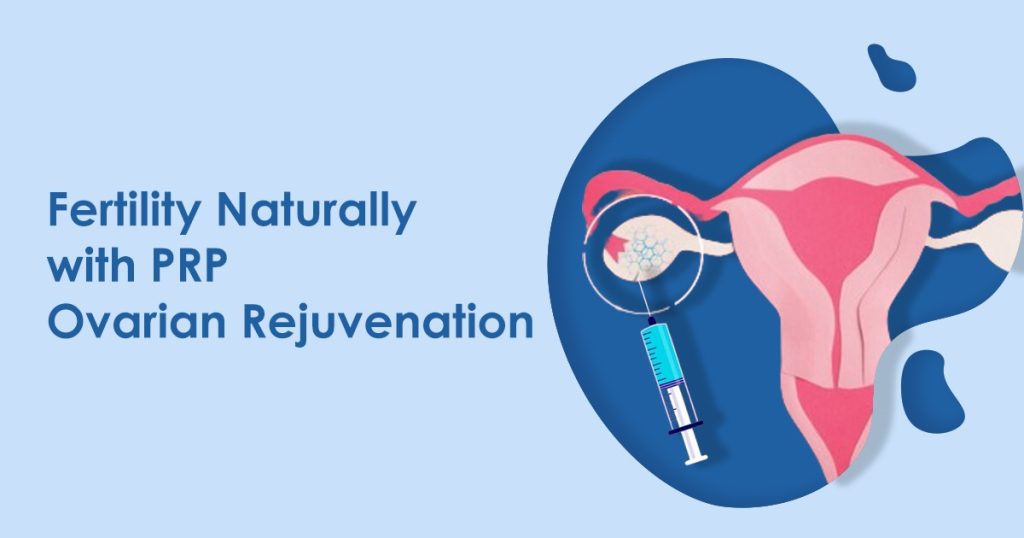
The translation of ovarian rejuvenation therapies from laboratory investigation to clinical practice has been characterized by a tension between biological plausibility and rigorous evidence. Several interventions most notably PRP, stem cell-based approaches, and mitochondrial transfer are already being offered to patients in some clinical settings despite limited, heterogeneous evidence and variable standardization.
A systematic evaluation of the literature reveals a consistent pattern: reported improvements are largely limited to surrogate markers such as AMH, AFC, or oocyte yield, whereas outcomes that matter most embryo competence, euploidy, ongoing pregnancy, and live birth have not shown consistent benefit in controlled studies. Most published investigations are small, uncontrolled before-after cohorts with heterogeneous patient populations, making it difficult to attribute observed changes to the intervention rather than to natural variation or placebo effects.
The distinction between transient follicular activation and true modification of reproductive aging is critical. Some interventions may stimulate the growth of existing antral follicles without actually replenishing the primordial reserve or reversing the fundamental aging process. Such transient effects could create a misleading impression of rejuvenation while providing no lasting benefit to reproductive lifespan.
Challenges and Future Directions
The path forward for ovarian aging reversal therapy requires addressing several critical challenges.
A. Standardization of Protocols
The heterogeneity in PRP preparation methods, stem cell isolation techniques, and dosing regimens across studies makes comparison of results difficult and hinders the identification of optimal treatment parameters. The field urgently needs standardized, reproducible protocols that can be uniformly applied across clinical trials.
B. Rigorous Clinical Trial Design
Future progress will require adequately powered randomized controlled trials with live birth endpoints rather than surrogate markers. Sham-controlled designs are essential to distinguish genuine therapeutic effects from placebo responses. Long-term safety monitoring, including assessment of offspring outcomes, must be integrated into trial protocols.
C. Biomarker Development
The identification of reliable biomarkers that reflect true biological ovarian age rather than chronological age or transient hormonal fluctuations is essential for patient selection and treatment monitoring. Promising candidates include AMH, AFC, SASP analytes, follicular fluid signatures, and exosomal RNAs.
D. Ovary-Directed Delivery Systems
Enhancing the specificity and safety of therapeutic delivery to the ovary remains a significant technical challenge. Ovary-directed delivery systems that concentrate therapeutic agents at the target tissue while minimizing systemic exposure could improve efficacy and reduce off-target effects.
E. Ethical and Regulatory Considerations
The commercial availability of unproven ovarian rejuvenation therapies raises significant ethical concerns. Patients desperate for fertility solutions may be vulnerable to exploitation by clinics offering interventions with insufficient evidence of safety and efficacy. Regulatory frameworks must evolve to protect patients while facilitating responsible innovation.
Conclusion
Ovarian aging reversal therapy represents one of the most exciting frontiers in reproductive medicine and geroscience. The recognition that ovarian aging is an active, modifiable biological process rather than an immutable aspect of female physiology has opened new possibilities for extending reproductive lifespan and mitigating the systemic consequences of ovarian decline. From senolytic agents that clear senescent cells to regenerative therapies that restore the ovarian microenvironment, a diverse array of interventions is under investigation.
However, the field must navigate a delicate balance between innovation and evidence. The biological plausibility of these therapies is compelling, and early clinical signals are encouraging, but the evidence base remains insufficient to support routine clinical use. The path from promising preclinical findings to validated clinical interventions requires rigorous science, standardized protocols, and an unwavering commitment to patient safety. The women who stand to benefit from these advances deserve nothing less than a therapy grounded in robust evidence and delivered with scientific integrity.