Every cell in the human body depends on a seemingly humble molecule to convert food into usable energy, repair damaged DNA, and regulate the biological clock that governs aging. That molecule is nicotinamide adenine dinucleotide, commonly known as NAD⁺. Without it, life as we know it would cease within minutes. Yet as the years accumulate, NAD⁺ levels inside our cells steadily diminish, and this decline has become one of the most actively investigated targets in the rapidly expanding field of longevity science.
The supplement industry has responded with remarkable speed. Shelves once dominated by multivitamins and fish oil now feature products promising to “boost NAD⁺,” “restore cellular youth,” and “turn back the biological clock.” These claims are backed by a growing body of preclinical research and a smaller but expanding collection of human clinical trials. However, the gap between laboratory promise and real-world benefit remains a subject of intense scientific debate. This article examines what NAD⁺ is, why it declines with age, what the leading supplement precursors actually do, and what the current clinical evidence truly supports.
Understanding NAD⁺: More Than Just an Energy Molecule
NAD⁺ is a coenzyme present in every living cell. Its primary function is to accept and donate electrons during metabolic reactions, particularly in the mitochondria, where it helps convert the food we eat into adenosine triphosphate (ATP), the universal energy currency of the body. But NAD⁺ is far more than an energy shuttle. It serves as a critical substrate for several families of enzymes that regulate fundamental biological processes:
A. Sirtuins (SIRT1–SIRT7): These NAD⁺-dependent deacetylases influence gene expression, DNA repair, inflammation, and metabolism. Sirtuins are widely regarded as central mediators of the longevity benefits associated with calorie restriction and fasting.
B. Poly (ADP-ribose) polymerases (PARPs): These enzymes consume NAD⁺ to repair DNA damage, making NAD⁺ availability a limiting factor in cellular resilience against genotoxic stress.
C. CD38 and CD157: These ectoenzymes degrade NAD⁺ and are increasingly recognized as major drivers of age-related NAD⁺ depletion, particularly in the context of chronic inflammation, sometimes termed “inflammaging”.
D. NAD⁺-dependent signaling pathways: NAD⁺ influences circadian rhythms, epigenetic stability, and stress responses, positioning it as a central hub connecting metabolism to aging.
Because NAD⁺ is involved in hundreds of enzymatic reactions, even modest declines in its availability can have cascading effects on cellular function, tissue repair, and systemic metabolic health.
Why NAD⁺ Declines With Age
The age-related decline in NAD⁺ is well documented, though the magnitude and tissue-specificity of this decline continue to be refined by ongoing research. Several interconnected mechanisms contribute to falling NAD⁺ levels:
A. Increased consumption by CD38: As the immune system ages, senescent cells accumulate and secrete inflammatory signals that recruit CD38-expressing macrophages. These cells consume NAD⁺ at accelerated rates, effectively draining the cellular reservoir.
B. Reduced biosynthesis: The enzymatic machinery responsible for recycling and synthesizing NAD⁺ from precursors becomes less efficient with age, partly due to declining levels of nicotinamide phosphoribosyltransferase (NAMPT), a rate-limiting enzyme in the salvage pathway.
C. Chronic low-grade inflammation: Persistent inflammatory signaling not only increases CD38 activity but also induces DNA damage, which activates PARPs and further depletes NAD⁺.
D. Mitochondrial dysfunction: As mitochondria become less efficient, oxidative stress increases, creating a feedback loop that accelerates NAD⁺ consumption and impairs energy production.
Interestingly, recent research from the University of Copenhagen has challenged the assumption that NAD⁺ decline is a primary driver of aging. In a 2025 study, mice whose skeletal muscle NAD⁺ levels were reduced by 85 percent retained normal muscle function and did not show accelerated aging. This finding suggests that NAD⁺ depletion may be a consequence of aging rather than its root cause at least in certain tissues and underscores the complexity of translating preclinical findings into human health recommendations.
The Leading NAD⁺ Precursors: NMN, NR, and Beyond
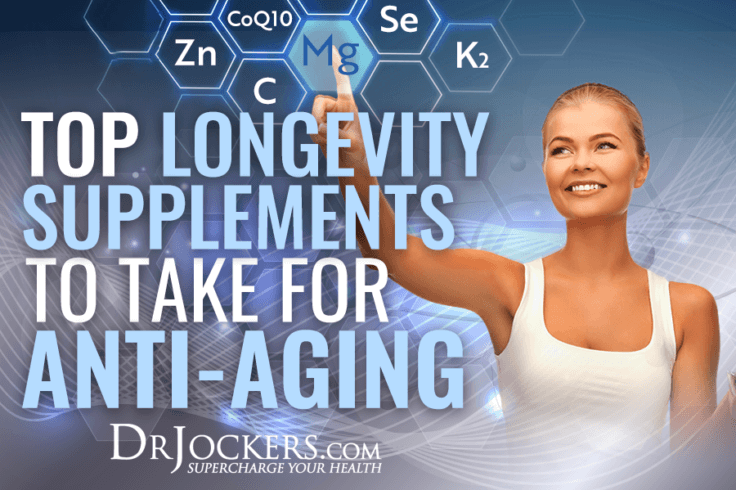
Because NAD⁺ itself is poorly absorbed when taken orally, supplement manufacturers rely on precursor molecules that the body can convert into NAD⁺. The most extensively studied precursors are nicotinamide mononucleotide (NMN) and nicotinamide riboside (NR), both of which are forms of vitamin B3.
A. Nicotinamide Mononucleotide (NMN)
NMN is a direct precursor to NAD⁺ in the salvage pathway. Once absorbed, it is converted into NAD⁺ through a single enzymatic step catalyzed by NMN adenylyltransferase. Preclinical studies have demonstrated that NMN supplementation can restore depleted NAD⁺ levels, enhance mitochondrial function, improve insulin sensitivity, and extend lifespan in rodent models.
Human trials of NMN have reported that oral supplementation reliably raises blood NAD⁺ levels and is generally well tolerated. A 12-week randomized, double-blind, placebo-controlled trial in healthy middle-aged adults found that daily NMN supplementation at 250 milligrams was safe, with no adverse effects observed. A separate study confirmed the safety of NMN at doses up to 1,500 milligrams per day over four weeks. However, clinical evidence for functional benefits remains mixed. A 2025 meta-analysis of randomized controlled trials found that NMN supplementation improved certain metabolic parameters in adults with overweight or obesity, but the overall quality of evidence was limited by small sample sizes and short follow-up periods. Another randomized trial found that NMN did not effectively improve endurance performance after eight weeks of supplementation.
B. Nicotinamide Riboside (NR)
NR is another NAD⁺ precursor that has attracted significant research attention. It is converted to NAD⁺ through a pathway involving nicotinamide riboside kinases. Multiple human trials have confirmed that oral NR at doses of 300 to 1,000 milligrams per day reliably raises whole-blood NAD⁺ levels by 40 to 90 percent.
A 2024 randomized, placebo-controlled trial in patients with chronic obstructive pulmonary disease (COPD) demonstrated that NR supplementation reduced airway inflammation and increased NAD⁺ levels by more than twofold in whole blood. The treatment was safe and well tolerated at 2 grams per day. In a separate 60-day randomized controlled trial involving healthy aging adults, NR supplementation at 500 milligrams per day significantly improved energy, fatigue, and cognitive function, with the greatest benefits observed when NR was combined with a polyphenol-rich phytoceutical formulation that inhibited CD38 activity.
However, not all studies have been positive. A systematic review and meta-analysis examining the effects of NMN and NR on skeletal muscle mass and function concluded that current evidence does not support their use for preserving muscle mass in adults over 60. This discrepancy between biochemical efficacy (raising NAD⁺ levels) and functional outcomes (improving health measures) is a recurring theme in the NAD⁺ supplement literature.
C. Nicotinamide (NAM) and Niacin
Nicotinamide (NAM) is a form of vitamin B3 that can be converted to NAD⁺, but high doses may inhibit sirtuins and have limited efficacy in raising tissue NAD⁺ levels. Niacin (nicotinic acid) can also raise NAD⁺, but its use is limited by skin flushing and gastrointestinal side effects, particularly at the high doses required for meaningful NAD⁺ elevation.
What the Clinical Evidence Actually Shows
The most comprehensive assessment of NAD⁺ supplementation to date comes from a 2026 PRISMA-guided systematic review published in Ageing Research Reviews. The review analyzed 113 eligible studies, including 33 human intervention studies (28 randomized) and 80 rodent studies, covering the period from January 2010 to October 2025.
The findings were both encouraging and sobering:
A. Biochemical target engagement is consistent: Oral NR, NMN, and NAM reliably raise circulating or cellular NAD⁺-related metabolites in humans, and these compounds are generally well tolerated over weeks to months.
B. Functional outcomes are heterogeneous: Effects on metabolic, vascular, and performance outcomes were mixed, often null, or specific to particular endpoints. The review concluded that “clinical effectiveness for anti-aging or wellness outcomes remains inconclusive”.
C. Parenteral NAD⁺ lacks outcome data: No eligible outcomes trials evaluated intravenous or intramuscular NAD⁺ itself for anti-aging or wellness indications. This is particularly significant given the growing popularity of NAD⁺ IV therapy in wellness clinics.
D. Rodent studies show greater promise: In rodent models, NAD⁺ augmentation was frequently associated with improvements in metabolic, mitochondrial, inflammatory, and functional outcomes. However, effects varied across models and endpoints.
E. Longer, powered trials are needed: The review emphasized the need for larger randomized controlled trials with longer follow-up and prespecified clinically meaningful endpoints.
A separate overview of clinical studies published in Nature summarized the outcomes of NAD⁺ booster trials across various conditions. For aging, NR increased muscle NAD⁺ metabolome and decreased inflammatory cytokines. For Alzheimer’s disease, NR increased NAD⁺ levels but did not alter cognition. For Parkinson’s disease, NR increased NAD⁺ levels and improved mitochondrial function with mild clinical improvement. For heart failure, NAD⁺ levels increased along with mitochondrial respiration and reduced reactive oxygen species production.
These findings paint a picture of a compound class that is biologically active but whose clinical benefits remain unproven for most healthspan-related outcomes.
Safety, Dosage, and Practical Considerations
NAD⁺ precursors are generally considered safe for most people at commonly studied doses. A comprehensive review of NAD⁺ supplementation in rare diseases with premature aging reported minimal or no side effects, with doses up to 1 gram per day and occasionally up to 3 grams per day. The most commonly reported side effects include nausea, stomach discomfort, and for niacin-containing products skin flushing.
However, important caveats apply:
A. Dose recommendations vary widely: There is no official recommended dietary allowance for NAD⁺ supplements. Human studies have investigated doses ranging from several hundred milligrams to around 1,000 milligrams per day, with some studies using up to 3,000 milligrams per day.
B. Higher doses are not necessarily better: Experts have cautioned that patients should refrain from using doses of NAD⁺ precursors that exceed approved daily recommendations, as safety for higher doses has not been established. One researcher suggested that it would likely be safe to consume 250 milligrams of these precursors each day.
C. Long-term safety is unknown: A 2026 review published in the Georgian Medical Journal noted that long-term safety data, including cancer and cardiovascular outcomes, are not established for NAD⁺-boosting interventions.
D. Regulatory status: Regulatory authorities in Australia, Canada, Europe, and the United States have authorized NR as safe at doses up to 300 milligrams per day (or 230 milligrams in pregnant and lactating women).
E. Quality control matters: The supplement industry is less regulated than pharmaceuticals. Consumers should choose products from reputable manufacturers that provide third-party testing and transparent labeling.
Beyond Supplements: Lifestyle Approaches to NAD⁺ Optimization
While supplements dominate the commercial conversation, several lifestyle interventions have been shown to influence NAD⁺ metabolism:
A. Caloric restriction and intermittent fasting: These dietary patterns upregulate NAMPT, the rate-limiting enzyme in the NAD⁺ salvage pathway, and increase sirtuin activity.
B. Exercise: Physical activity enhances NAD⁺ biosynthesis in skeletal muscle and improves mitochondrial function through NAD⁺-dependent pathways. A clinical study in aging adults found that exercise increased NAD⁺ and NAMPT levels, SIRT activity, and mitochondrial function.
C. Circadian rhythm regulation: NAD⁺ synthesis is under circadian control, and disruptions to sleep-wake cycles may impair NAD⁺ availability. Maintaining regular sleep patterns supports optimal NAD⁺ metabolism.
D. Managing inflammation: Since chronic inflammation drives CD38-mediated NAD⁺ depletion, anti-inflammatory lifestyle strategies including a nutrient-dense diet, stress management, and adequate sleep may help preserve NAD⁺ levels.
The Future of NAD⁺ Research
The field of NAD⁺ biology is evolving rapidly, and several promising directions are emerging:
A. Combination approaches: The finding that combining NR with CD38-inhibiting polyphenols produced superior NAD⁺ elevation and functional improvements compared to NR alone suggests that multi-target strategies may be more effective than single-precursor supplementation.
B. Tissue-specific targeting: Understanding how different tissues regulate NAD⁺ metabolism may lead to more precise interventions. The Copenhagen study’s finding that muscle NAD⁺ depletion does not accelerate aging highlights the importance of tissue context.
C. Biomarker development: Reliable biomarkers of NAD⁺ status and NAD⁺ dependent enzyme activity are needed to identify individuals who may benefit most from supplementation and to monitor treatment response.
D. Long-term outcome trials: The most critical unmet need is large, long-term randomized controlled trials with clinically meaningful endpoints such as mortality, cardiovascular events, and cognitive decline. Until these trials are completed, the true impact of NAD⁺ supplementation on human longevity will remain uncertain.
Conclusion: Promise, Not Proof
NAD⁺ is undeniably essential for cellular function, and the age-related decline in NAD⁺ levels is a well-established biological phenomenon. NAD⁺ precursors such as NMN and NR reliably raise NAD⁺ levels in humans and appear safe at commonly studied doses. Preclinical research has generated compelling evidence that boosting NAD⁺ can improve metabolic health, mitochondrial function, and even lifespan in animal models.
However, the translation of these findings into meaningful human health benefits remains incomplete. The most rigorous systematic review to date concludes that while NAD⁺ augmentation shows clear biological activity, its clinical effectiveness for anti-aging or wellness outcomes remains inconclusive. Effects on functional, metabolic, and vascular outcomes are heterogeneous, often null, or specific to particular endpoints.
For consumers considering NAD⁺ supplements, the evidence supports a cautious approach. These products are not a magic bullet for aging, and their long-term safety profile is not fully established. A foundation of evidence-based lifestyle practices regular exercise, a nutrient-dense diet, adequate sleep, and stress management remains the most reliable strategy for promoting healthspan. NAD⁺ supplements may eventually prove to be valuable additions to that foundation, but the science is not yet settled. The coming years of clinical research will determine whether the promise of NAD⁺ supplementation can be translated into proven benefits for human longevity.