
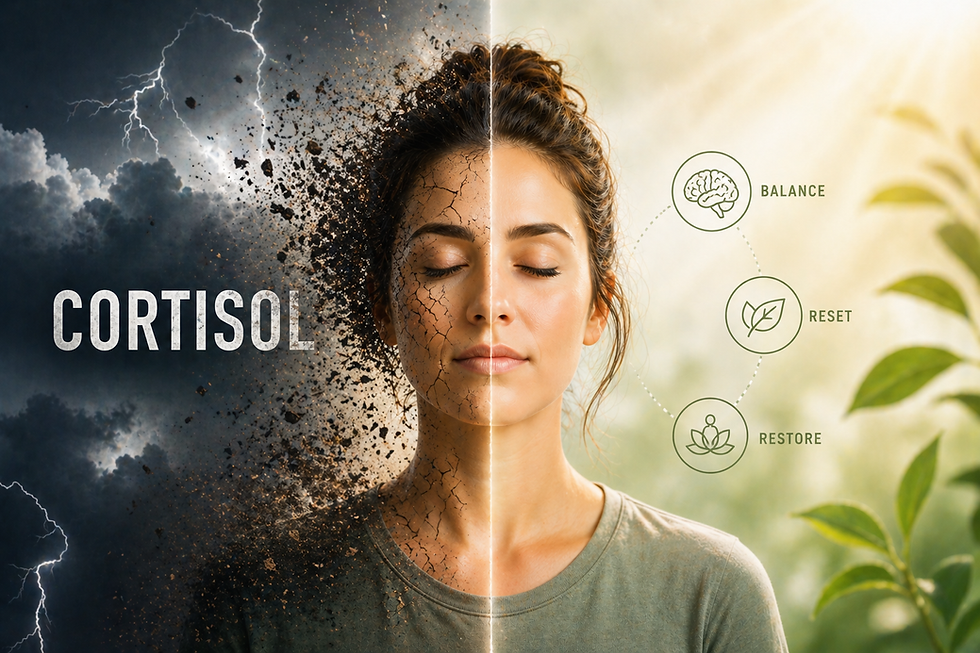
Scroll through TikTok for just a few minutes, and you will inevitably encounter a video featuring a young woman staring solemnly into her front-facing camera, pointing at her slightly puffy cheeks and whispering the now-ubiquitous phrase: “This is cortisol face.” The trend has amassed billions of views, spawning countless before-and-after transformation videos, product recommendations, and dramatic testimonials from users who claim that chronic stress has fundamentally reshaped their facial structure. According to the narrative popularized on the platform, everyday anxiety, looming deadlines, and the general overwhelm of modern life are silently flooding the body with cortisol, a stress hormone that supposedly deposits fat directly into the cheeks, jawline, and under-eye area, leaving sufferers with a permanently swollen, unrecognizable reflection.
The phenomenon has become so pervasive that it has transcended the digital sphere, infiltrating real-world conversations, dermatology clinics, and even endocrinology practices. Patients are arriving at doctors’ offices armed with smartphone screenshots, convinced that their morning puffiness is not the result of a salty dinner or a poor night’s sleep but rather a diagnosable hormonal crisis requiring urgent intervention. Wellness influencers have capitalized on this fear, peddling an array of “cortisol-lowering” supplements, detox teas, and specialized facial massage tools, all promising to deflate the stressed-out visage and restore a sculpted, lean appearance. Yet beneath the glossy production values and earnest testimonials lies a far more complicated truth, one that medical professionals are urgently trying to communicate to a public increasingly inclined to trust algorithms over endocrinologists.
Understanding Cortisol: The Hormone Behind the Hype
To disentangle the mythology from the medicine, it is essential to first understand what cortisol actually is and what it does within the human body. Cortisol is a steroid hormone produced by the adrenal glands, which are small, triangular-shaped organs perched atop the kidneys like a protective hat. Its production is meticulously regulated by a complex feedback loop involving the hypothalamus and the pituitary gland, a system collectively known as the hypothalamic-pituitary-adrenal axis, or HPA axis. Far from being a villainous substance that needs to be suppressed or “detoxified,” cortisol is absolutely essential for survival. Without it, the body enters a state of adrenal crisis, characterized by dangerously low blood pressure, profound weakness, and potentially fatal metabolic collapse.
Cortisol serves as the body’s primary fuel-mobilization hormone, releasing glucose and fatty acids into the bloodstream to provide energy for muscles and the brain. It also plays critical roles in regulating blood pressure, managing the inflammatory response, and modulating the immune system. Additionally, cortisol follows a distinct daily rhythm, peaking shortly after waking to promote alertness and gradually declining throughout the day to facilitate restful sleep. This natural ebb and flow means that cortisol levels are not static; they fluctuate in response to meals, exercise, illness, and, yes, psychological stress. When a person encounters a stressful situation, whether it is a looming work deadline or a sudden scare, the HPA axis triggers a rapid surge of cortisol, preparing the body for a fight-or-flight response. Once the threat subsides, cortisol levels typically return to baseline, allowing the body to resume its normal functions.
The Myth of Everyday Cortisol Face
The central claim propagated by TikTok wellness creators is that this ordinary, transient stress response is directly responsible for a persistently round, puffy, and inflamed facial appearance. According to the trend, the cumulative burden of daily worries keeps cortisol perpetually elevated, leading to fluid retention, fat redistribution, and a characteristic “moon face” that serves as a visible marker of internal hormonal chaos. However, endocrinologists and dermatologists unanimously reject this oversimplification. While it is true that chronically elevated cortisol levels can cause facial swelling and fat accumulation, the levels required to produce such changes are exponentially higher than anything experienced during a typical stressful week.
Dr. Raj Dasgupta, an internal medicine physician, explains the distinction with precision: “Chronically high cortisol levels can cause puffiness in the face due to fluid retention and fat redistribution, but the idea that all facial puffiness is linked to cortisol is misleading”. The medical community recognizes a genuine condition known as moon face, or moon facies, which is characterized by a rounded, swollen facial appearance with prominent cheeks and a thinning of the skin. However, this condition is overwhelmingly associated with Cushing’s syndrome, a rare endocrine disorder caused by a tumor in the pituitary or adrenal glands, or with the prolonged use of high-dose corticosteroid medications such as prednisone. In these cases, cortisol levels are not merely elevated due to stress; they are pathologically excessive, often sustained for months or years, and accompanied by a constellation of other serious symptoms including muscle wasting, easy bruising, purple abdominal striae, and severe metabolic disturbances.
What Really Causes Facial Puffiness
If everyday cortisol spikes are not the culprit, what actually accounts for the common experience of waking up with a swollen, puffy face? The answer is surprisingly mundane and encompasses a wide range of benign, temporary factors that have nothing to do with adrenal pathology. Dietary choices top the list, particularly the consumption of high-sodium meals, which promote water retention and cause the tissues to become engorged with fluid. Alcohol intake, even moderate, can have a similar effect by disrupting the body’s fluid balance and promoting inflammation. Poor sleep quality and irregular sleep schedules can also lead to facial puffiness, as can sleeping in certain positions that allow fluid to pool in the dependent areas of the face.
Allergies, whether seasonal or dietary, frequently manifest as facial swelling due to histamine release and subsequent vasodilation. Hormonal fluctuations associated with the menstrual cycle can also cause temporary water retention and puffiness in the days preceding menstruation. Even crying, which increases blood flow to the face and around the eyes, can produce a swollen appearance that persists for hours. Furthermore, the simple reality of camera angles, lighting, and lens distortion can dramatically exaggerate facial features, leading individuals to perceive puffiness that is not clinically significant. As Dr. Dasgupta notes, “Multiple factors cause bloating or facial edema, and cortisol isn’t always the culprit”.
The Real Science of Stress and Skin
Although the TikTok version of cortisol face is fundamentally flawed, it would be inaccurate to claim that stress has no impact on the skin or facial appearance whatsoever. The relationship between psychological stress and cutaneous health is well-documented and scientifically robust. When the HPA axis is activated, cortisol suppresses the production of lipids and structural proteins within the stratum corneum, the outermost layer of the skin. This compromise in barrier function leads to increased transepidermal water loss, making the skin more susceptible to irritation, infection, and inflammatory conditions such as eczema, psoriasis, and acne. A 2007 commentary in the Journal of Clinical Investigation vividly described this phenomenon as “a nervous breakdown in the skin,” highlighting the tangible consequences of stress on cutaneous homeostasis.
Perhaps even more intriguing is the discovery that the skin itself is not merely a passive recipient of cortisol from the adrenal glands. Cutaneous cells possess the enzymatic machinery to synthesize cortisol locally from inactive cortisone precursors. An enzyme called 11-beta-hydroxysteroid dehydrogenase type 1 (11-beta-HSD1) converts cortisone into active cortisol directly within the epidermis. A 2018 study published in Scientific Reports demonstrated that psychological stress upregulates this enzyme, effectively turning the skin into a localized cortisol factory precisely where the damage manifests. This locally produced cortisol contributes to barrier dysfunction and inflammation, which is why periods of intense stress so reliably trigger acne breakouts, eczema flares, and rosacea exacerbations. However, it is crucial to recognize that these effects pertain to barrier integrity and inflammation, not to the water retention or fat redistribution that characterizes genuine moon face.
Distinguishing Cortisol Face from Cushing’s Syndrome

The confusion between the TikTok trend and actual medical pathology has created significant diagnostic challenges. Cushing’s syndrome, the rare endocrine disorder responsible for true moon face, affects approximately 10 to 15 people per million annually. It is most commonly caused by a pituitary adenoma that secretes excessive adrenocorticotropic hormone (ACTH), which in turn drives the adrenal glands to overproduce cortisol. Less frequently, it results from an adrenal tumor or from ectopic ACTH production by tumors elsewhere in the body, such as in the lungs. Exogenous Cushing’s syndrome, caused by prolonged corticosteroid therapy for conditions like asthma, rheumatoid arthritis, or autoimmune diseases, is actually more common than the endogenous form.
In addition to the characteristic moon face, individuals with Cushing’s syndrome typically present with a cluster of other distinctive features. These include central obesity with thinning of the arms and legs, a buffalo hump of fat deposited on the upper back, purple stretch marks on the abdomen, muscle weakness, easy bruising, poor wound healing, and cognitive disturbances such as depression and memory impairment. Women may experience menstrual irregularities and hirsutism, while men may suffer from decreased libido and erectile dysfunction. The diagnosis is confirmed through a series of blood and urine tests that measure cortisol levels, often followed by imaging studies to locate the underlying tumor.
Debunking the Detox Narrative
One of the most pervasive and financially motivated aspects of the cortisol face trend is the proliferation of products and protocols claiming to “detox” the body of cortisol or to lower cortisol levels naturally. These range from herbal supplements containing ashwagandha, rhodiola, and holy basil, to expensive LED light therapy masks, to elaborate dietary regimens eliminating entire food groups. The scientific basis for these interventions is tenuous at best, and in some cases, they may actually be harmful. Dr. Annie Liu, a dermatologist, emphasizes that the effects of day-to-day stress are largely unnoticeable on the face, and that visible changes require months or even years of chronic, unmanaged stress to manifest.
Furthermore, the very concept of “cortisol detox” is physiologically nonsensical. The liver and kidneys continuously metabolize and excrete cortisol as part of normal endocrine function. There is no accumulation of “toxic cortisol” that needs to be flushed out through special teas or supplements. In fact, attempting to suppress cortisol production pharmacologically without medical supervision could precipitate adrenal insufficiency, a dangerous condition characterized by fatigue, dizziness, nausea, and low blood pressure. As one endocrinologist succinctly stated, cortisol is a “life-essential hormone,” and the goal should never be to eliminate it entirely.
A Reasonable Approach to Facial Puffiness
For individuals genuinely concerned about facial puffiness, the most effective strategies are those that address the root causes rather than chasing a mythical hormonal diagnosis. Reducing sodium intake, moderating alcohol consumption, and ensuring adequate hydration can significantly diminish water retention and its visible effects on the face. Prioritizing sleep hygiene, including maintaining a consistent sleep schedule and sleeping with the head slightly elevated, can prevent overnight fluid accumulation. Identifying and avoiding dietary or environmental allergens, if applicable, can also reduce histamine-mediated swelling.
When it comes to stress management, the evidence supports a holistic approach that includes regular physical activity, mindfulness practices such as meditation or deep breathing exercises, and adequate social support. These interventions do not “detox” cortisol but rather help regulate the HPA axis, promoting a healthier stress response and preventing the chronic elevation that can contribute to skin barrier dysfunction. For persistent or severe facial swelling, particularly when accompanied by other symptoms such as weight gain, fatigue, or easy bruising, consultation with a healthcare provider is essential to rule out underlying medical conditions.
The Broader Implications of Viral Health Trends
The cortisol face phenomenon is emblematic of a broader cultural shift in which social media platforms have become primary sources of health information for millions of people. While these platforms can democratize access to knowledge and foster community support, they also facilitate the rapid spread of misinformation, often amplified by algorithms that prioritize engagement over accuracy. The monetization of wellness anxiety through affiliate links, sponsored content, and branded supplements creates powerful financial incentives to perpetuate fear-based narratives, even when those narratives lack scientific validity.
Healthcare providers are increasingly called upon to navigate this complex landscape, addressing patients’ concerns with empathy while gently correcting misconceptions. Dr. Hannah Kopelman, a dermatologist who actively monitors TikTok trends, emphasizes the importance of meeting patients where they are: “When a trend like cortisol face starts circulating, I want to make sure my patients get the facts rather than falling into the trap of fear-based messaging or expensive, unnecessary treatments”. This approach requires not only clinical expertise but also cultural competence and effective communication skills, as dismissing patients’ concerns outright can erode trust and drive them further toward unregulated sources of advice.
Conclusion: Separating Signal from Noise

The cortisol face trend represents a fascinating collision of legitimate science, commercial opportunism, and digital culture. While the underlying biology linking stress to skin barrier dysfunction is real and well-established, the leap from that mechanism to the claim that everyday facial puffiness indicates chronically high cortisol is neither supported by evidence nor clinically plausible. True cortisol-related facial changes are the province of rare endocrine disorders and prolonged corticosteroid use, not the ordinary fluctuations of modern life.
For the millions of individuals who have been frightened by TikTok videos into scrutinizing their reflections with anxiety, the most liberating message is also the most scientifically grounded: your face is not a reliable readout of your cortisol levels. The puffiness you observe in the morning is far more likely to be the result of last night’s sushi, a restless sleep, or simply the angle of your bathroom mirror. By redirecting attention toward evidence-based lifestyle interventions and away from fear-driven product consumption, we can reclaim our relationship with our bodies and our screens, treating social media as a source of entertainment rather than a diagnostic tool.