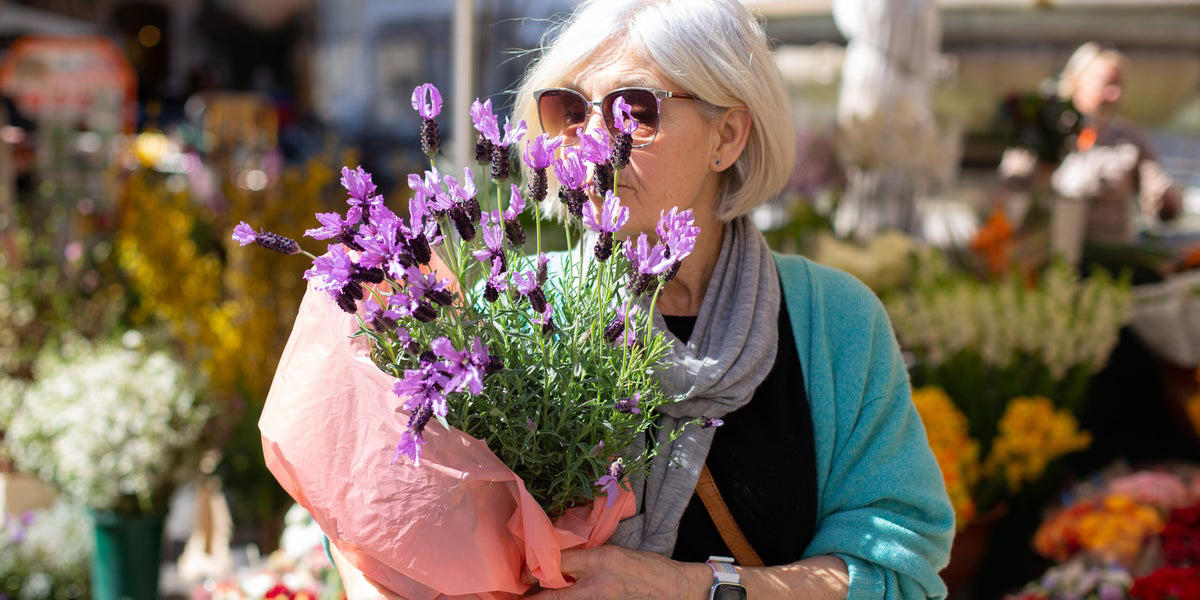
The wellness industry has spent decades and billions of dollars attempting to crack the longevity code. Cold plunges, continuous glucose monitors, nootropic supplements, and ever-more-complex biohacking protocols have promised extended lifespans and youthful vitality. Yet after all this technological innovation, the internet has arrived at a surprisingly simple answer: just live like an Italian grandmother. This is the essence of “nonnamaxxing,” a viral trend that has captured the imagination of Generation Z and beyond, offering a refreshing antidote to the exhausting optimisation culture that has dominated modern wellness discourse.
Nonnamaxxing represents far more than a fleeting social media fad. It embodies a profound cultural shift a collective yearning for simplicity, authenticity, and sustainable living in an era defined by digital overstimulation and relentless productivity demands. By adopting the daily rhythms of an Italian nonna, proponents argue, individuals can potentially add years to their lives while simultaneously making those years feel genuinely meaningful. The trend has resonated particularly strongly with younger generations who find themselves exhausted by hustle culture and searching for a more balanced approach to health and happiness.
This comprehensive exploration of the nonnamaxxing phenomenon will examine its origins, the scientific evidence supporting its core principles, the specific habits that define the lifestyle, and practical guidance for anyone interested in embracing this research-backed approach to longevity and wellbeing.
Understanding Nonnamaxxing: More Than Just a TikTok Trend
The Core Philosophy Behind the Movement
At its fundamental level, nonnamaxxing encourages individuals to adopt the simple, intentional habits of an Italian grandmother a “nonna” who has seemingly remained untouched by the chaos and complexity of contemporary existence. The concept emerged from the broader “maxxing” culture that has dominated online self-improvement communities, where terms like “looksmaxxing,” “gymmaxxing,” and “sleepmaxxing” describe the optimization of various life aspects.
However, nonnamaxxing distinguishes itself from these predecessors through its fundamentally different intent. While other maxxing trends focus on enhancement and achievement, nonnamaxxing is about opting out a quiet rebellion against processed food, polyester clothing, constant rushing, and the overwhelming demands of hyper-connected modern life. It represents a deliberate rejection of the notion that wellbeing requires expensive interventions or complicated routines.
Google searches for the term “nonnamaxxing” have surged by an impressive 700 percent within a single month, demonstrating the extraordinary appetite for this alternative approach to wellness. The trend has been adopted across diverse cultures, describing a universal archetype: the older woman who lives simply, cooks well, remains socially connected, and moves through life at a sustainable pace.
The Italian Connection: Why Nonnas Specifically?
The choice of Italian grandmothers as the archetype for this lifestyle is far from arbitrary. Italy consistently ranks among the longest-lived countries in the world, with its oldest citizens continuing to achieve remarkable longevity. Sardinia, in particular, has earned recognition as one of the world’s “Blue Zones” rare geographical regions where people routinely live past 100 years of age.
Something about the traditional Italian way of life appears to promote extraordinary longevity, and this phenomenon predates every wellness application by approximately three generations. The nonna lifestyle, as practiced for centuries in Italian communities, encompasses physical activity, social connection, dietary patterns, and mindset all of which have been extensively studied and validated by longevity researchers.
By tradition, nonnas live an exemplary Blue Zone lifestyle: they stay active through natural daily movement, consume a homemade Mediterranean diet, maintain strong family ties, and remain deeply involved in their communities. These are not merely cultural preferences but fundamental pillars of healthy ageing that have been shown to promote longevity across numerous scientific studies.
The Scientific Foundation: What Research Says About the Nonna Lifestyle
Blue Zones and the Sardinian Centenarian Phenomenon
The scientific credibility of nonnamaxxing rests substantially on decades of research into Blue Zones geographical areas with unusually high concentrations of centenarians. Sardinia stands as one of only five recognised Blue Zones worldwide, alongside locations such as Okinawa in Japan, Ikaria in Greece, Nicoya in Costa Rica, and Loma Linda in California.
The lifestyle patterns consistently observed in these regions overlap almost perfectly with the nonnamaxxing checklist: regular physical movement, food prepared at home, strong social connections, and a positive mindset. The trend, far from being mere internet whimsy, is firmly rooted in genuine longevity data, even if TikTok creators rarely cite their scientific sources.
Researchers studying Sardinian centenarians have identified several key factors contributing to their exceptional longevity. These include a plant-based diet rich in legumes, vegetables, and whole grains; moderate consumption of red wine; continuous physical activity through occupations and daily routines rather than structured exercise; and crucially, a deeply integrated social fabric that values family and community connections across generations.
Licia Fertz: A Living Example of Nonna Wisdom
Perhaps no individual better embodies the nonnamaxxing philosophy than Licia Fertz, a 96-year-old nonna from Viterbo, Italy, whose simple yet profound wisdom has inspired countless individuals worldwide. Fertz’s philosophy centres on a fundamental principle: “Never think of yourself as old. You are born young”.
Her daily routine incorporates several practices that align with research-backed longevity strategies. She dresses each morning, applies makeup, and wears cheerful colours regardless of whether she plans to leave the house, explaining that “presenting yourself well is an act of self-love”. This emphasis on self-care and positive self-perception is supported by a recent study that found a measurable association between how women perceive ageing and the actual rate at which they age.
Fertz’s perspective on aging aligns with broader research into mindset and longevity. As Sonja Lyubomirsky, a distinguished professor of psychology at UC Riverside, explained, the framing of ageing is crucial: “Is it a gift? Is it about wisdom, maturity, and the richness of life, or is it about deterioration and loss? Both can be true. But you can choose”. This choice between viewing ageing as an opportunity for growth or as a process of decline appears to have tangible physiological consequences.
Core Components of the Nonnamaxxing Lifestyle
A. Daily Movement Through Natural Activities
Physical activity in the nonna lifestyle is not structured exercise but rather an inherent part of daily existence. Italian nonnas walk constantly not because they have optimized their step count or are tracking fitness metrics, but because walking is simply how Italian cities and towns function. They walk to markets, to visit neighbours, to church, and to family homes.
The scientific evidence supporting even modest amounts of walking is compelling. A 2020 study published in the American Journal of Preventive Medicine found that just 15 minutes of brisk walking daily was associated with a reduced risk of premature death. Daniel Lieberman, a professor of Human Evolutionary Biology at Harvard, has described walking as “the most fundamental form of human physical activity,” with hundreds of studies confirming its benefits for healthy ageing.
Beyond dedicated walks, the nonna lifestyle incorporates physical activity into every aspect of daily life. Gardening, cooking from scratch, household chores, and even the traditional Italian “passeggiata” an evening stroll through town all contribute to a consistently active lifestyle without the need for gym memberships or elaborate fitness equipment.
B. Cooking and Eating Real Food
The nonna approach to nutrition centres on cooking from scratch using fresh, minimally processed ingredients. Traditional Italian cooking emphasises seasonal vegetables, legumes, whole grains, olive oil, and moderate amounts of fish and meat. This dietary pattern aligns closely with the Mediterranean diet, which has been extensively studied and linked to numerous health benefits including reduced risk of heart disease, improved cognitive function, and extended lifespan.
Cooking from scratch offers benefits that extend beyond mere nutrition. As Martina Carucci, a strategist with the language learning app Preply, explained, the nonna lifestyle includes “cooking old-fashioned recipes from scratch like handmade gnocchi or osso buco, tending an herb garden, taking slow walks or ‘passeggiata,’ sharing long meals with loved ones, and limiting screen time”.
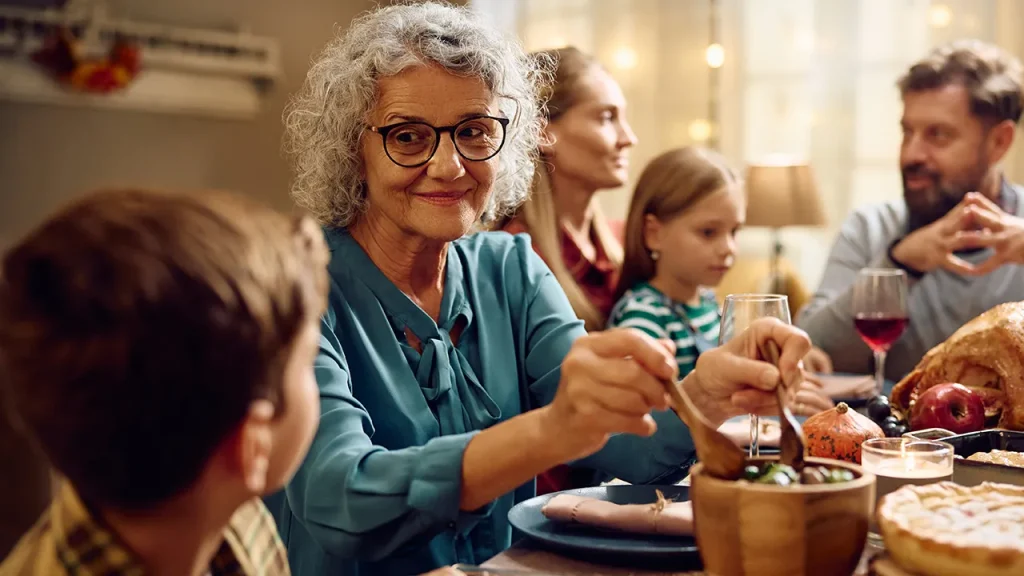
The emphasis on shared meals represents another crucial element. In Italian culture, sitting down for a proper meal with family is not a wellness intervention but simply regular life. These extended meals provide opportunities for social connection, emotional bonding, and the kind of unhurried conversation that modern schedules rarely permit. Research consistently demonstrates that social eating experiences contribute to both physical and mental health benefits.
C. Gardening and Hands-On Activities
Gardening occupies a central position in the nonna lifestyle, providing both physical activity and psychological fulfilment. Whether tending tomato plants on a balcony or cultivating a full vegetable garden, the act of nurturing living things connects individuals to natural rhythms and seasonal cycles.
The benefits of gardening extend beyond the produce it yields. Laurie Singer, a licensed therapist, highlighted the psychological value of hands-on activities: “Nonnamaxxing encourages us to be present around a task, like gardening, baking or knitting, or just taking a mindful walk, that delivers something ‘real'”. This emphasis on task engagement over avoidance focus and presence over doom-scrolling represents a fundamental shift in how we relate to our daily activities.
D. Social Connection and Community Embeddedness
Perhaps the most powerful longevity factor in the nonna lifestyle is the emphasis on deep, sustained social connections. Italian grandmothers remain embedded in their families and neighbourhoods well into old age, providing childcare, maintaining friendships, and refusing to quietly disappear from community life.
Research in the American Journal of Preventive Medicine found that people who volunteered more than 100 hours annually had lower mortality risk, greater optimism, and a stronger sense of purpose. Social experiences help regulate emotions, and this emotional regulation appears to have cascading effects on physical health outcomes.
The nonna model of social connection differs fundamentally from the superficial networking that characterizes much of modern professional life. It involves genuine, ongoing relationships with family members across generations, neighbours, and community members relationships that provide meaning, support, and a sense of belonging.
E. Reduced Screen Time and Digital Detoxification
A critical component of nonnamaxxing involves drastically reducing screen time and re-engaging with the physical world. American mental health expert Laurie Singer pointed to the psychological toll of constant digital engagement, noting that “social media often fuels comparison and lowers self-esteem”.
The nonna lifestyle, by contrast, prioritizes real-world activities and in-person interactions. This shift away from screens addresses what many mental health professionals identify as a significant contributor to contemporary anxiety and depression. By replacing doom-scrolling with gardening, cooking, knitting, or simply sitting on a front step watching the world go by, individuals can reclaim attention and presence that digital devices have eroded.
F. Dolce Far Niente: The Sweetness of Doing Nothing
One of the most distinctive aspects of the nonna philosophy is captured by the Italian phrase “dolce far niente” the sweetness of doing nothing. This concept represents a radical departure from modern productivity culture, which treats idle time as wasted time.
Dolce far niente is not about laziness but about cultivating the ability to simply be to sit on a hard chair outside one’s home, watch a goat eat a hairnet, and find contentment in the present moment. For younger generations accustomed to constant stimulation and achievement pressure, this represents perhaps the most challenging yet most rewarding aspect of the nonna lifestyle.
Psychotherapist Jonathan Alpert explained that nonnamaxxing resonates because people are genuinely exhausted by hustle culture. The nonna offers an alternative model one that values rest, reflection, and simply being alive over constant doing and achieving.
The Mental Health Revolution: Why Slowing Down Heals
The psychological benefits of nonnamaxxing extend far beyond mere stress reduction. Dr. Abhinit Kumar, a senior consultant in psychiatry, observed that “nonnamaxxing reflects a growing desire among people to slow down and find comfort in simple, meaningful living”. He noted that the habits associated with the trend cooking at home, maintaining routines, and prioritising relationships can positively affect mental health by lowering stress and improving emotional wellbeing.
In many ways, the trend romanticises a slower lifestyle that feels more emotionally grounding than constantly being online or rushing through packed schedules. The emphasis on routine, ritual, and rhythm provides structure without rigidity, offering a framework for daily life that feels natural rather than imposed.
However, experts also caution against blindly copying social media lifestyles without considering individual needs and circumstances. What works for one person may not work for another, and turning wellness into another performance can create unnecessary pressure. The authentic spirit of nonnamaxxing lies not in perfect replication of an imagined Italian lifestyle but in identifying and incorporating those elements that genuinely nourish mind, body, and spirit.
The Nostalgia Factor: Understanding Gen Z’s Attraction
The appeal of nonnamaxxing for Generation Z reflects something deeper than mere aesthetic preference. The trend embodies a fascination with “hauntology” the cultural phenomenon where younger generations become obsessed with lost or imagined pasts they never personally experienced.
In an era defined by climate anxiety, housing insecurity, economic instability, and digital overstimulation, younger people are searching for permanence, ritual, and continuity. The grandmother figure becomes symbolic of stability: she cooks, nurtures, gardens, and preserves traditions. She belongs somewhere and possesses a clear sense of place and purpose.
This nostalgic yearning, however, must be approached with critical awareness. The danger of nostalgia is that it edits removing the hardships, sacrifices, and limitations that also characterized previous generations. Many European migrant women who arrived in countries like Australia during the 1950s and 1960s came from societies marked by war, poverty, authoritarianism, and deeply entrenched patriarchy. Their stories were often defined less by leisurely simplicity than by sacrifice and survival.
Authentic engagement with the nonna archetype requires acknowledging these complexities while still extracting the genuine wisdom that traditional lifestyles offer. The goal is not to romanticize the past but to identify and adapt those practices that remain relevant and beneficial for contemporary life.
Practical Guide to Embracing Nonnamaxxing
A. Start with Movement
Begin by incorporating more natural movement into your daily routine. This need not involve structured exercise programs. Consider walking to local shops instead of driving, taking an evening stroll through your neighbourhood, or simply standing and stretching regularly throughout the day. The key is consistency rather than intensity even 15 minutes of brisk walking daily has been shown to extend lifespan.
B. Cook Real Food
Commit to preparing at least one meal from scratch each day. Start with simple dishes and gradually expand your repertoire. Focus on whole ingredients: fresh vegetables, legumes, whole grains, and quality olive oil. The act of cooking itself provides mindfulness benefits, while the resulting meals offer superior nutrition compared to processed alternatives.
C. Cultivate Connections
Prioritise in-person social interactions. Schedule regular meals with family or friends, join community groups, or simply make time for unhurried conversations with neighbours. The depth and consistency of social connections matter more than the quantity.
D. Create Boundaries with Technology
Establish specific times when you disconnect from digital devices. Perhaps designate meal times as screen-free zones, or commit to a daily walk without your phone. The goal is not complete digital abstinence but intentional engagement with the physical world.
E. Embrace Dolce Far Niente
Practice the art of doing nothing without guilt. Sit on your porch, watch the world go by, and resist the urge to fill every moment with productivity. This may feel uncomfortable initially, but with practice, it becomes a source of profound renewal.
F. Engage Your Hands
Incorporate hands-on activities into your routine: gardening, baking, knitting, woodworking, or any other craft that engages your physical senses and produces tangible results. These activities ground us in the present moment and provide a satisfying sense of accomplishment.
G. Shift Your Mindset About Ageing
Challenge negative cultural narratives about ageing. Embrace the perspective that getting older can be a gift a time of wisdom, maturity, and richness rather than deterioration and loss. This mindset shift has measurable effects on how we age.
Conclusion: The Timeless Wisdom of Living Slowly
Nonnamaxxing ultimately represents more than a wellness trend; it offers a fundamental reorientation of how we approach health, happiness, and the passage of time. In a world that constantly pushes us toward more more productivity, more achievement, more optimization the nonna archetype invites us to consider the radical possibility that less might actually be more.
The research supporting the core principles of nonnamaxxing is substantial and growing. From the Blue Zones studies demonstrating the longevity benefits of traditional lifestyles to psychological research confirming the mental health benefits of social connection and mindfulness, the scientific evidence aligns remarkably well with the intuitive wisdom that Italian grandmothers have embodied for generations.
What makes nonnamaxxing particularly compelling is its accessibility. Unlike expensive biohacking protocols requiring specialized equipment and constant monitoring, the nonna lifestyle demands nothing more than a willingness to slow down, cook real food, move naturally, connect authentically, and find contentment in simplicity. These are practices available to virtually everyone, regardless of income, location, or circumstances.
As Erin Palinski-Wade, a registered dietitian, observed, “Nonnamaxxing is a 2026 trend that embraces the slower, more intentional lifestyle of an Italian grandmother. Think cooking from scratch, long family meals, daily walks, gardening and less screen time”. This simplicity is precisely what makes the trend so powerful and so sustainable.
The nonnamaxxing movement also challenges us to reconsider our relationship with ageing itself. Rather than viewing older age as a problem to be solved or delayed, the nonna model suggests that it can be a period of continued growth, contribution, and joy. Licia Fertz’s philosophy “Never think of yourself as old. You are born young” offers a powerful counter-narrative to the youth-obsessed culture that dominates contemporary wellness discourse.
Whether nonnamaxxing will prove to be a lasting cultural shift or a fleeting internet phenomenon remains to be seen. What is certain is that its core principles movement, nourishment, connection, mindfulness, and simplicity represent timeless truths about human wellbeing that have been validated by both ancient wisdom and modern science. In embracing the nonna within, we may discover not only a path to longer life but, more importantly, a path to a life well lived.