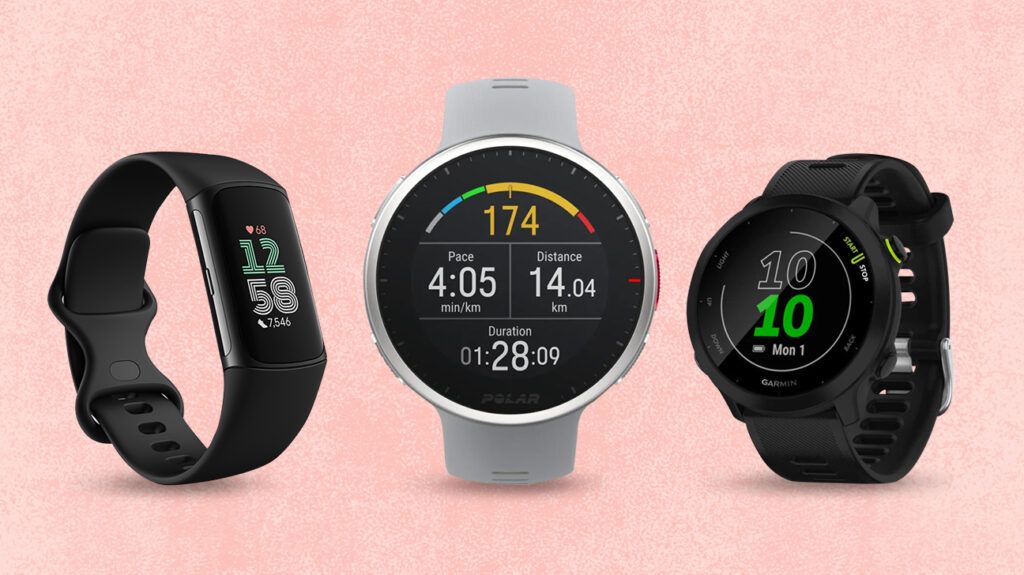
Smartwatch heart health detection has become one of the most important developments in wearable technology. What was once a simple step counter has grown into a sophisticated system that can track pulse, detect irregular rhythms, record single-lead electrocardiograms, estimate cardio fitness, and send alerts when something seems unusual. For millions of users, a smartwatch is now a daily health companion that provides information between doctor visits and encourages greater awareness of cardiovascular well-being.
At the same time, smartwatch heart health detection is not a substitute for professional medical evaluation. These devices do not diagnose heart disease, and they cannot capture every cardiac event. Their real value lies in patterns, trends, and timely alerts. When used correctly, a smartwatch can help someone notice changes, document symptoms, and bring useful data to a clinician. This article explains how the technology works, what it can and cannot do, how to choose a device, and how to use heart data safely.
Why Heart Health Monitoring Matters
Cardiovascular disease remains a leading cause of illness and death around the world. Many heart conditions develop gradually and silently over many years. Others, such as atrial fibrillation, may cause only occasional symptoms or no symptoms at all. Atrial fibrillation is a common irregular heart rhythm that can increase the risk of stroke, heart failure, and other complications. Because it can come and go, it may be difficult to detect during a short appointment.
Smartwatch heart health detection helps bridge the gap between occasional medical checkups and everyday life. A wearable can monitor heart activity during work, exercise, sleep, and rest. If an irregular rhythm occurs at night or during a stressful moment, the device may record a notification or an ECG trace. That record can be shared with a doctor later. Even when an alert is not serious, it can provide reassurance or prompt a more thorough evaluation.
The technology also supports preventive habits. When people see how their resting heart rate changes with sleep, alcohol, stress, illness, or exercise, they may become more motivated to improve lifestyle choices. Heart health detection is therefore both a monitoring tool and a behavioral tool. It turns invisible signals into visible data that can inspire better decisions.
How Smartwatch Heart Health Detection Works
Smartwatch heart health detection relies on several sensors and software systems working together. No single sensor tells the whole story. The most accurate and useful insights come from combining signals, algorithms, and user context.
A. Photoplethysmography, or PPG, uses light-emitting diodes and light-sensitive photodiodes to measure changes in blood volume beneath the skin. As the heart pumps, blood flow changes, and the sensor detects subtle variations. PPG supports continuous heart rate monitoring, resting heart rate, heart rate variability, and sometimes blood oxygen estimates. It is power-efficient, which makes it suitable for all-day wear.
B. Electrocardiography, or ECG, measures electrical activity of the heart. Many smartwatches use electrodes on the back and crown or button. When the user touches the crown, the circuit completes and produces a single-lead ECG. This can help identify atrial fibrillation and sinus rhythm, but it is not a full twelve-lead hospital ECG.
C. Accelerometers and gyroscopes help the watch understand whether the user is moving, exercising, sleeping, or standing still. They also help reduce false readings caused by movement. For heart health, motion data can separate exercise-related heart rate changes from resting abnormalities.
D. Algorithms and artificial intelligence process raw sensor data. Raw data is noisy, so algorithms filter, classify, and interpret signals. Machine learning models can detect patterns associated with irregular rhythms, high or low heart rates, and poor signal quality. These models are trained on large datasets, but they still have limitations.
E. Cloud and mobile integration allow smartwatches to pair with smartphones to store data, generate reports, and share information. Some platforms allow PDF exports for doctors. Cloud processing can improve analysis, but it also raises privacy and data security considerations.
Key Heart Health Metrics Smartwatches Track
Different devices offer different features, but most smartwatch heart health detection systems focus on a core set of measurements. Understanding these metrics helps users interpret their data more accurately.
A. Continuous heart rate is the number of times the heart beats per minute. Continuous tracking shows patterns during exercise, rest, sleep, and stress. A sudden spike may be normal during a workout, but an unexplained high rate at rest may deserve attention.
B. Resting heart rate is usually measured when the body is calm, often during sleep or upon waking. A lower resting heart rate is often associated with better cardiovascular fitness, though many factors affect it. A gradual increase over weeks may signal illness, stress, poor recovery, or another issue.
C. Heart rate variability, or HRV, measures the variation in time between heartbeats. It reflects the balance between the sympathetic and parasympathetic nervous systems. Higher HRV often indicates better recovery and adaptability, while lower HRV may be linked to stress, fatigue, or illness. HRV is highly individual, so trends matter more than one-time numbers.
D. ECG rhythm: A single-lead ECG can classify a recording as sinus rhythm, atrial fibrillation, or inconclusive. Some devices also provide detailed waveforms. This feature is useful for people who experience palpitations or have a history of arrhythmia.
E. Irregular rhythm notifications appear when the watch detects repeated irregular heart rhythms in the background. They are designed to identify possible atrial fibrillation. They are not a diagnosis, but they can prompt a medical evaluation.
F. Cardio fitness and VO2 max estimates: Some watches estimate aerobic capacity from heart rate and activity data. This can help users understand fitness progress and long-term heart health. Estimates are less precise than laboratory testing but useful for trends.
G. Blood oxygen estimates: Some wearables estimate oxygen saturation using PPG. While not as accurate as a medical pulse oximeter, the data may provide context during sleep or illness. It is not a substitute for clinical measurement.
H. Sleep and recovery metrics: Sleep affects heart health. Smartwatches can track sleep duration, interruptions, and recovery. Poor sleep may correlate with higher resting heart rate and lower HRV.
Atrial Fibrillation Detection Explained
Atrial fibrillation detection is one of the most publicized smartwatch heart health features. The heart normally beats in a coordinated rhythm controlled by electrical signals. In atrial fibrillation, the upper chambers of the heart quiver instead of contracting effectively. This can cause a fast, irregular pulse. Some people feel palpitations, shortness of breath, fatigue, or dizziness. Others feel nothing.
Smartwatches use PPG or ECG to detect irregularity. With PPG, the device monitors pulse rhythm in the background. If it detects repeated irregular patterns that may suggest atrial fibrillation, it sends a notification. With ECG, the user actively records a thirty-second trace by touching the sensor. The algorithm then classifies the rhythm. If the result is inconclusive, the user may need to try again or seek medical advice.
It is important to understand that atrial fibrillation detection is not perfect. A smartwatch may miss episodes, especially if the episode is brief or the signal is poor. It may also produce false positives, where the watch suggests an irregular rhythm but the user does not have atrial fibrillation. This is why medical confirmation with a clinical ECG, Holter monitor, or event recorder is essential.
Clinical Evidence and Regulatory Status
Several smartwatch ECG and irregular rhythm notification features have received regulatory clearances or approvals in different countries. For example, certain Apple Watch, Samsung Galaxy Watch, Fitbit, Withings, and other devices have been cleared by the United States Food and Drug Administration for specific heart rhythm features. Clearance does not mean the device can diagnose or treat disease. It means the manufacturer has provided evidence that the feature performs as intended for a defined purpose.
Clinical studies have shown that smartwatch-based screening can identify undiagnosed atrial fibrillation in some populations. However, study results vary based on the device, the population, and the method used. Some trials found that smartwatch screening increased detection of atrial fibrillation, but also increased health care use due to false positives. The balance between benefits and harms is still an active area of research.
Regulatory status also varies by country. A feature available in one region may not be available in another due to local rules. Users should check whether their device’s heart features are cleared or approved in their country. They should also read the manufacturer’s instructions and limitations carefully.
Benefits of Smartwatch Heart Health Detection
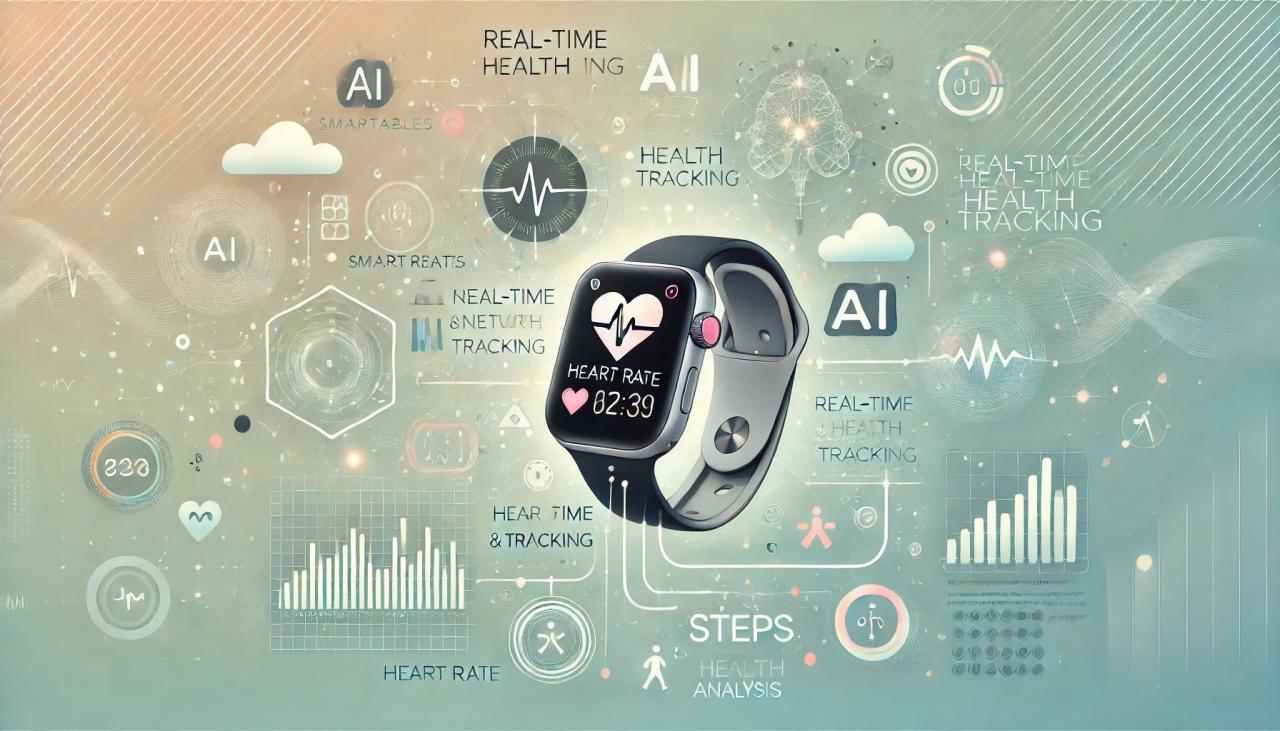
Smartwatch heart health detection offers several potential benefits. These benefits are strongest when the device is used as part of a broader health strategy, not as a standalone diagnostic tool.
A. Earlier awareness: A wearable may notice an irregular rhythm before a person feels symptoms. This can lead to earlier medical evaluation and treatment.
B. Better symptom correlation: When someone feels dizzy, short of breath, or has palpitations, they can record an ECG or note their heart rate. This helps doctors understand what was happening at the moment of symptoms.
C. Support for lifestyle changes: Seeing the effect of sleep, exercise, alcohol, and stress on heart rate can motivate healthier choices. Users can set goals and track progress over time.
D. Remote monitoring: People with known heart conditions may use wearables to share data with clinicians between visits. This can be useful for medication adjustments or lifestyle counseling.
E. Peace of mind: For some users, normal readings and trends provide reassurance. For others, an alert provides a clear reason to seek care rather than ignore a concern.
F. Data for doctors: ECG traces, heart rate trends, and symptom logs can be valuable during appointments. They provide context that a single clinic measurement cannot.
Limitations, Risks, and False Alarms
No smartwatch is a medical-grade diagnostic device for all heart conditions. Understanding limitations is essential for safe use.
A. Not a diagnosis: A smartwatch can suggest that something may be wrong, but it cannot diagnose a heart attack, heart failure, valve disease, or many other conditions. Only a qualified health care professional can diagnose and treat heart disease.
B. False positives: A false positive occurs when the watch suggests a problem that is not present. This can cause anxiety and unnecessary tests. False positives are more likely with poor signal quality, movement, or certain arrhythmias.
C. False negatives: A false negative occurs when the watch misses a real problem. Brief or intermittent arrhythmias may not be detected. A normal smartwatch reading does not rule out heart disease.
D. Skin tone and sensor limitations: PPG accuracy can be affected by skin tone, tattoos, skin perfusion, and sensor contact. Manufacturers are working to improve accuracy across diverse populations, but disparities may still exist.
E. Motion and signal noise: Movement, sweat, cold hands, and loose straps can distort readings. ECG recordings require stillness and proper contact.
F. Battery and adherence: Users must charge devices regularly and wear them consistently. Gaps in data can reduce the usefulness of trends.
G. Anxiety and overmonitoring: Constantly checking heart data can increase anxiety for some people. It is important to use the device as a tool, not as a source of constant worry.
H. Privacy and data security: Heart data is sensitive. Users should review privacy policies, enable strong passwords, and understand how data is stored and shared.
Who Can Benefit Most from Smartwatch Heart Health Detection?
Smartwatch heart health detection is not necessary for everyone, but certain groups may benefit more than others.
A. Adults over sixty-five: The risk of atrial fibrillation and other heart conditions increases with age. A wearable may help with early detection and monitoring.
B. People with palpitations or unexplained symptoms: If someone experiences occasional racing, fluttering, dizziness, or chest discomfort, an ECG-capable watch can help document events.
C. Athletes and active individuals: Heart rate trends, HRV, and recovery data can support training decisions and detect unusual responses to exercise.
D. People with a history of stroke: Since atrial fibrillation is a major stroke risk factor, some clinicians may recommend rhythm monitoring after a stroke.
E. People with chronic conditions: Conditions such as hypertension, diabetes, and sleep apnea can affect heart health. Wearables may provide useful context.
F. Caregivers and family members: Remote monitoring features can help caregivers stay informed about a loved one’s heart health, especially if the person lives alone.
How to Choose a Smartwatch for Heart Health
The market offers many devices with different features, prices, and limitations. Choosing the right one depends on individual needs, budget, and medical history.
A. Regulatory clearances: Check whether the ECG and irregular rhythm features are cleared or approved in your country. Not all features are available everywhere.
B. ECG and PPG capabilities: If you need active ECG recordings, choose a device with an ECG app. If you prefer passive monitoring, look for reliable PPG-based irregular rhythm notifications.
C. Battery life: Longer battery life supports consistent wear, especially during sleep. Some devices last days, while others need daily charging.
D. Phone compatibility: Some smartwatches work only with certain phones. Confirm compatibility before buying.
E. Subscription costs: Some advanced features require a monthly or annual subscription. Factor this into the total cost.
F. Data export and sharing: A device that can export ECG PDFs or heart rate reports is more useful for medical appointments.
G. Comfort and design: A watch that feels uncomfortable will not be worn consistently. Consider size, weight, strap material, and water resistance.
H. Emergency features: Fall detection, emergency SOS, and high or low heart rate alerts can be valuable for older adults or people with known conditions.
How to Use Smartwatch Heart Data Safely
Smartwatch heart health detection works best when users understand how to interpret and act on the data.
A. Establish a baseline: Wear the watch consistently for several weeks to learn your normal ranges. This makes unusual changes easier to spot.
B. Respond to alerts: If the watch repeatedly notifies you about an irregular rhythm or abnormal heart rate, contact a health care professional. Do not ignore persistent alerts.
C. Keep a symptom diary: Note when you feel palpitations, dizziness, chest pain, or shortness of breath. Include time, activity, and watch readings.
D. Share data with your doctor: Bring ECG traces, heart rate reports, and symptom logs to appointments. Ask your doctor to interpret them in context.
E. Do not self-diagnose: Avoid using search results or watch labels to diagnose yourself. Many conditions share similar symptoms.
F. Maintain your device: Keep the sensor clean, update firmware, and replace worn straps. A loose strap can cause inaccurate readings.
G. Discuss concerns early: If something feels wrong, seek medical advice even if your watch says everything is normal. Smartwatches cannot replace clinical judgment.
Improving Accuracy of Smartwatch Heart Readings
Accuracy depends on both the device and the user. Small adjustments can improve signal quality and reduce false alerts.
A. Wear the watch snugly: The sensor should touch the skin without being too tight. A loose fit allows light leakage and motion artifacts.
B. Clean the sensor: Dirt, sweat, and lotion can block light or interfere with electrodes. Wipe the back of the watch regularly.
C. Stay still during ECG: Rest your arm on a table and avoid talking or moving during the thirty-second recording.
D. Use the correct wrist: Follow the manufacturer’s instructions. Some devices allow either wrist, while others recommend a specific one.
E. Avoid lotions and oils: These can create a barrier between the skin and sensor. Clean and dry the wrist before recording.
F. Update firmware: Manufacturers improve algorithms over time. Software updates may enhance accuracy and add features.
G. Compare with medical devices: If you have a pulse oximeter or blood pressure monitor, compare readings occasionally. Do not use smartwatch data alone for medical decisions.
Privacy, Data Security, and Ethical Considerations
Heart data is sensitive personal information. It can reveal not only cardiac conditions but also stress, sleep patterns, and lifestyle habits. Users should understand how their data is collected, stored, and shared. Some companies use health data to improve algorithms, while others may share anonymized data with researchers. Privacy policies can be complex, but they are worth reading.
There are also ethical questions about screening. Widespread smartwatch screening may detect conditions that would never have caused symptoms, leading to unnecessary treatment. It may also increase health care costs and anxiety. On the other hand, early detection of atrial fibrillation can prevent strokes. The key is responsible use: alerts should lead to clinical evaluation, not immediate self-treatment.
The Future of Smartwatch Heart Health Detection
The future of smartwatch heart health detection is likely to become more advanced and more personalized. Several trends are already emerging.
A. Cuffless blood pressure monitoring: Researchers are developing methods to estimate blood pressure from PPG and other sensors. If accurate, this could transform hypertension management.
B. Multi-parameter heart assessment: Future watches may combine ECG, PPG, blood oxygen, temperature, and motion data to assess heart health more comprehensively.
C. AI-powered risk prediction: Machine learning may identify subtle patterns that predict heart failure, arrhythmia, or other conditions before symptoms appear.
D. Better atrial fibrillation burden tracking: Devices may estimate how much time a person spends in atrial fibrillation, helping doctors choose treatments.
E. Integration with electronic health records: Seamless sharing with clinics could make remote monitoring more practical and reimbursable.
F. Improved accuracy across diverse populations: Manufacturers are investing in more inclusive datasets to reduce bias related to skin tone, age, and body composition.
As technology improves, regulation and clinical guidelines will need to keep pace. Smartwatches may become part of standard preventive care, but they will remain tools that support, not replace, medical professionals.
Frequently Asked Questions
Can a smartwatch detect a heart attack? Smartwatches are not designed to diagnose heart attacks. They may detect high heart rate or irregular rhythms, but a heart attack requires emergency medical evaluation. If you suspect a heart attack, call emergency services immediately.
Is a smartwatch ECG as good as a hospital ECG? No. A smartwatch ECG is usually a single-lead recording. A hospital ECG uses multiple leads and provides a more complete picture of heart electrical activity.
Should I buy a smartwatch if I have no heart symptoms? It depends on your risk factors, preferences, and budget. Some people find the data motivating and reassuring. Others find it unnecessary or anxiety-provoking. Discuss with your doctor if you are unsure.
What should I do if my smartwatch alerts me to an irregular rhythm? Do not panic. Save the recording, note your symptoms, and contact a health care professional. Your doctor may recommend a clinical ECG, Holter monitor, or other tests.
Can smartwatches replace regular checkups? No. Regular medical checkups, blood tests, and clinical assessments remain essential. Smartwatches provide additional data between visits.
Conclusion
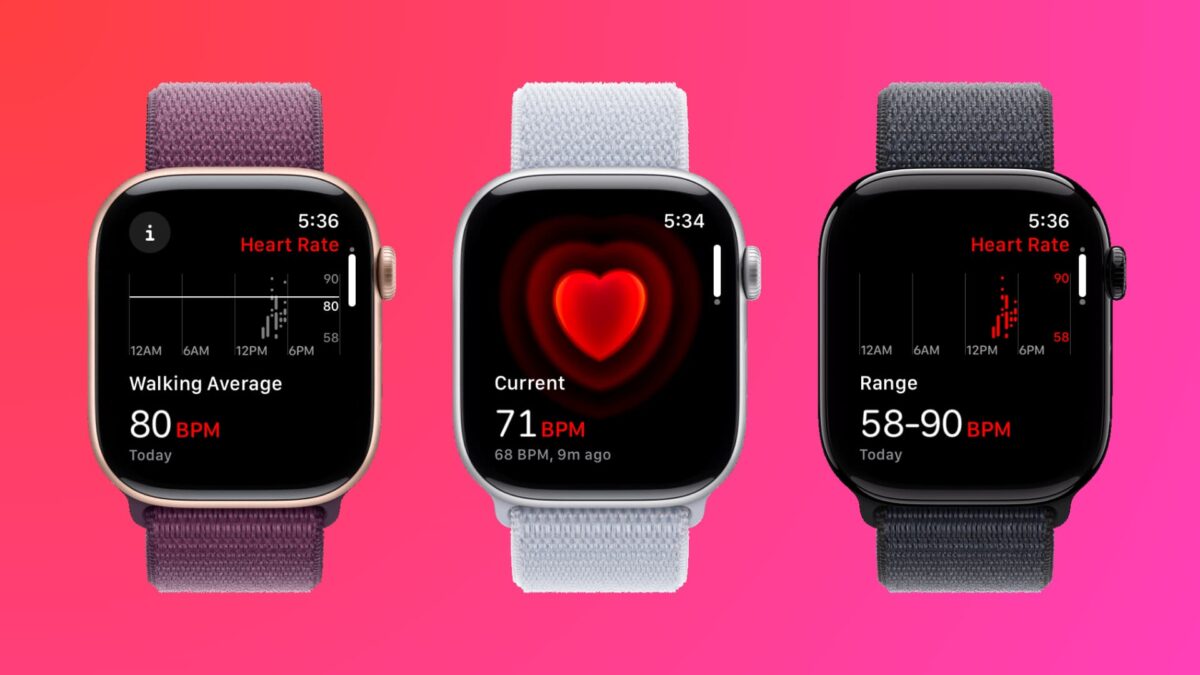
Smartwatch heart health detection is a powerful example of how consumer technology can support preventive health. These devices can track heart rate, HRV, ECG rhythms, and irregular rhythm notifications. They can help people notice patterns, document symptoms, and start important conversations with doctors. For some, they may lead to earlier detection of atrial fibrillation or other heart concerns.
However, smartwatches are not perfect. They can produce false positives and false negatives. They cannot diagnose heart disease, and they should never replace professional medical care. The best approach is to use a smartwatch as a supplement to regular checkups, a healthy lifestyle, and open communication with clinicians.
As sensors, algorithms, and regulations evolve, smartwatch heart health detection will likely become more accurate and more integrated into everyday care. For now, users should choose devices with clear regulatory status, wear them correctly, interpret alerts cautiously, and seek medical advice when needed. When used responsibly, a smartwatch can be a valuable partner in understanding and protecting heart health.