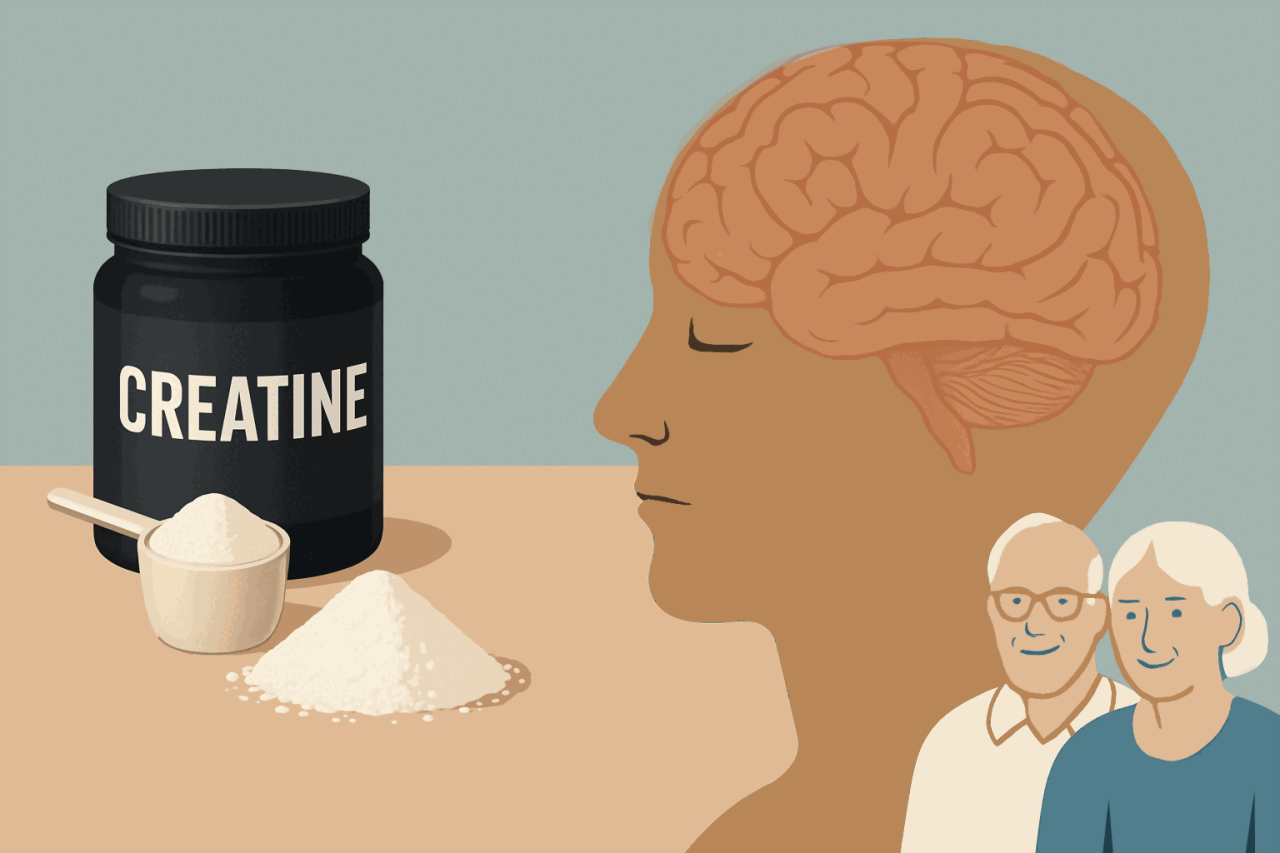
The adolescent brain represents one of the most dynamic and vulnerable periods of neurological development in the human lifespan. During these formative years, teenagers experience rapid synaptic pruning, myelination, and neurotransmitter system maturation processes that fundamentally shape cognitive abilities, emotional regulation, and long-term mental health outcomes. In recent years, a growing body of scientific literature has begun to explore whether creatine, a compound traditionally associated with athletic performance enhancement, might offer meaningful benefits for the developing adolescent brain. This comprehensive analysis examines the current evidence surrounding creatine supplementation and its potential implications for teenage cognitive health, safety considerations, and practical guidance for parents, coaches, and healthcare providers.
Understanding Creatine: Beyond Muscle Performance
Creatine is a naturally occurring nitrogen-containing compound synthesized endogenously from three amino acids: arginine, glycine, and methionine. While approximately 95% of the body’s creatine stores are found in skeletal muscle, the remaining percentage is distributed across various tissues, including the brain, where it plays a critical role in cellular energy metabolism. The compound functions primarily through the phosphocreatine system, which serves as a rapid buffer for adenosine triphosphate (ATP) regeneration during periods of high energy demand whether that demand arises from sprinting on a football field or solving complex mathematical problems in a classroom.
Dietary sources of creatine include meat and seafood, which provide approximately one to two grams per day for typical omnivorous diets. Vegetarians and vegans, who consume no animal products, may have significantly lower baseline creatine levels, potentially making them more responsive to supplementation. This distinction becomes particularly relevant when considering cognitive outcomes, as brain creatine availability may influence performance under conditions of mental stress or sleep deprivation.
The Emerging Science of Brain Creatine
The concept that creatine might influence cognitive function represents a relatively recent development in nutritional neuroscience. While creatine has been extensively studied for its ergogenic effects on muscle performance since the 1990s, research into its neurological applications has accelerated only within the past decade. Early investigations focused primarily on adult populations and clinical conditions characterized by impaired brain energy metabolism, such as traumatic brain injury, depression, and neurodegenerative disorders.
The theoretical basis for creatine’s cognitive effects rests on the brain’s extraordinary energy demands. Despite representing only about 2% of total body mass, the brain consumes approximately 20% of the body’s energy supply. During periods of heightened cognitive activity, metabolic stress, or insufficient sleep, the brain’s ATP reserves can become depleted, potentially impairing neurotransmitter function, synaptic plasticity, and information processing efficiency. By augmenting cerebral phosphocreatine stores, creatine supplementation may help buffer against these energy deficits, thereby supporting optimal cognitive performance.
Adolescent Brain Development: A Critical Window
Understanding why creatine research in adolescents deserves specific attention requires appreciation of the unique neurodevelopmental processes occurring during the teenage years. The prefrontal cortex responsible for executive functions such as planning, decision-making, impulse control, and working memory undergoes significant maturation throughout adolescence, not reaching full development until the mid-twenties. Concurrently, subcortical regions involved in reward processing and emotional reactivity mature earlier, creating a developmental imbalance that manifests as increased risk-taking behavior, emotional volatility, and susceptibility to peer influence.
These developmental changes coincide with increased academic demands, social pressures, and extracurricular commitments that place substantial cognitive loads on the adolescent brain. Sleep patterns also shift during adolescence, with circadian rhythms delaying sleep onset while early school start times remain fixed, resulting in chronic sleep restriction for many teenagers. Given that sleep deprivation impairs brain energy metabolism and cognitive function, interventions that support cerebral energetics such as creatine supplementation theoretically could offer protective or performance-enhancing benefits during this vulnerable period.
Research Evidence: Creatine and Adolescent Cognition
The scientific literature on creatine supplementation in adolescents remains limited compared to adult studies, but several investigations have provided promising preliminary findings. A landmark 2025 study published in the Journal of the International Society of Sports Nutrition examined the acute effects of creatine supplementation on technical performance in adolescent basketball players under cognitive-motor dual-task conditions. This randomized, counterbalanced crossover trial recruited forty male adolescent basketball players aged thirteen to fourteen years with provincial-level competitive experience.
Participants received either creatine monohydrate at a dosage of 0.3 grams per kilogram of body weight daily for five days plus a 0.1 gram per kilogram pretest dose, or a placebo, with a four-week washout period between phases. The cognitive-motor dual-task condition required players to perform continuous subtraction tasks while simultaneously executing basketball-specific skills including dribbling, passing, and shooting. Results demonstrated that creatine supplementation significantly improved performance in dribbling, passing, and shooting tasks under dual-task conditions, while only dribbling and shooting performance improved under single-task conditions.
Notably, creatine supplementation also reduced heart rate and ratings of perceived exertion across all tasks and both conditions, suggesting that the compound may reduce both physiological and psychological load during cognitively demanding physical activities. The researchers concluded that acute creatine supplementation enhances technical performance in adolescent basketball players under cognitive-motor dual-task conditions, supporting its use as a short-term nutritional intervention to optimize game performance.
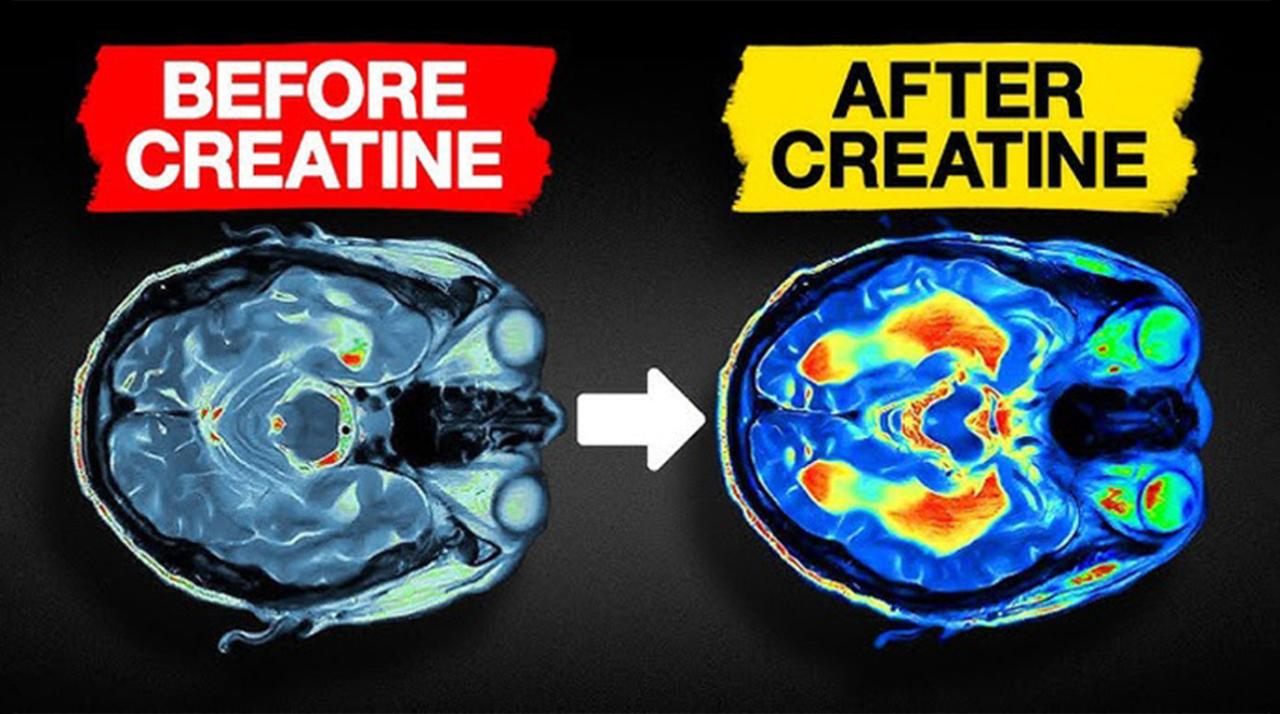
Additional evidence comes from research examining creatine’s effects on adolescent mental health outcomes. A dose-ranging study conducted at Oregon Health & Science University investigated creatine monohydrate as an adjunctive treatment for adolescent females with SSRI-resistant major depressive disorder. Participants were randomized to receive placebo or creatine at doses of two, four, or ten grams daily for eight weeks. Using phosphorus-31 magnetic resonance spectroscopy to measure frontal lobe phosphocreatine levels, researchers found that mean frontal lobe phosphocreatine increased by 4.6%, 4.1%, and 9.1% in the two, four, and ten gram groups respectively, while decreasing by 0.7% in the placebo group.
Regression analysis across the entire sample revealed that frontal lobe phosphocreatine was inversely correlated with depression scores, suggesting that creatine achieves target engagement with brain bioenergetics and that this target is correlated with clinical improvement. While this study focused specifically on depression treatment rather than cognitive enhancement in healthy adolescents, it provides important evidence that creatine supplementation can meaningfully alter brain energy metabolism during adolescence and that these alterations may have clinical significance.
Potential Cognitive Benefits for Teenagers
Emerging research suggests that creatine’s cognitive benefits may extend across multiple domains relevant to adolescent functioning. Studies in adult populations have demonstrated improvements in memory and attention following creatine supplementation, with particularly pronounced effects under conditions of stress, sleep deprivation, or cognitive fatigue. Given that adolescents frequently experience these conditions whether from academic pressures, extracurricular commitments, or social stressors the potential applicability of these findings to teenage populations warrants consideration.
The following list outlines cognitive domains where creatine supplementation may offer benefits, ordered alphabetically:
A. Attention and Concentration – Creatine may support sustained attention and vigilance, particularly during prolonged cognitive tasks that deplete brain energy reserves.
B. Executive Function – Preliminary evidence suggests potential improvements in planning, cognitive flexibility, and task-switching abilities, though research specific to adolescents remains limited.
C. Memory Formation and Retrieval – Studies in adults have shown creatine may enhance both working memory and long-term memory consolidation, potentially supporting academic learning.
D. Mental Fatigue Resistance – Creatine supplementation has demonstrated efficacy in reducing mental fatigue following demanding cognitive tasks, such as mathematical calculations or complex problem-solving.
E. Processing Speed – Some research indicates that creatine may improve reaction time and information processing speed, benefits that could translate to faster decision-making in academic and athletic contexts.
F. Stress Resilience – By supporting brain energy metabolism, creatine may help buffer against the cognitive effects of acute stress, potentially benefiting adolescents navigating high-pressure situations.
Safety Profile and Considerations
The safety of creatine supplementation in adolescent populations represents a critical consideration for parents, healthcare providers, and coaches. Current evidence suggests that creatine monohydrate, when used appropriately, is generally well tolerated in adolescents, although long-term safety data remain limited. A systematic review published in 2026 evaluated the safety of creatine monohydrate supplementation in adolescent athletes and physically active youth, analyzing five studies that met inclusion criteria.
Across diverse populations, including youth athletes and adolescents with medical conditions, creatine supplementation was generally well tolerated, with no consistent short-term safety signals reported in renal function, liver enzymes, or cardiometabolic risk markers within the study periods. No serious adverse events were attributed to supplementation. Long-term cardiometabolic outcomes demonstrated no association between adolescent creatine-containing supplement use and hypertension, dyslipidemia, diabetes, or increased body mass index.
However, several important caveats must be acknowledged. First, the number and volume of studies in adolescent populations remain insufficient to draw definitive conclusions about long-term safety during growth and maturation. Adolescents are in a phase where bone growth, puberty, hormonal changes, and body composition are still developing, and high-quality, long-term studies on the effects of continuous creatine consumption on these processes are far fewer than studies conducted in adults.
Second, creatine supplementation can cause weight gain, primarily due to increased water content within muscle cells. In a growing adolescent, interpretation of weight and body composition changes requires particular care, and this side effect may be psychologically distressing for some teenagers. Third, while serious adverse events are rare, some individuals may experience gastrointestinal discomfort, muscle cramping, or dehydration, typically related to inadequate hydration or consuming excessive doses at once.
The American Academy of Pediatrics has historically recommended against creatine use in individuals under eighteen years of age, citing insufficient evidence of safety and efficacy in this population. However, this position predates much of the recent research demonstrating tolerability in adolescent athletes, and some experts now advocate for a more nuanced approach that acknowledges both the potential benefits and the limitations of current evidence.
Dosage Protocols and Administration
For adolescents who, in consultation with healthcare providers, decide to use creatine supplementation, understanding appropriate dosing protocols is essential. The most commonly studied approach involves a loading phase followed by a maintenance phase. During the loading phase, which typically lasts five to seven days, individuals consume approximately 0.3 grams of creatine per kilogram of body weight daily, divided into four equal doses. This protocol rapidly saturates muscle and brain creatine stores. Following loading, a maintenance dose of 0.03 grams per kilogram per day (approximately two to five grams daily) sustains elevated creatine levels.
Alternatively, some individuals prefer to omit the loading phase and simply consume the maintenance dose daily. This approach achieves muscle saturation more gradually typically over three to four weeks but avoids the gastrointestinal discomfort sometimes associated with large single doses. For cognitive benefits specifically, research suggests that even lower doses may be effective, with some studies demonstrating brain creatine increases at doses as low as two grams daily.
Creatine monohydrate remains the most extensively studied and recommended form, offering superior stability, bioavailability, and evidence of efficacy compared to alternative formulations such as creatine ethyl ester, creatine hydrochloride, or buffered creatine. Timing of consumption appears less critical than total daily intake, though some evidence suggests that consuming creatine with a carbohydrate-containing meal may enhance uptake due to insulin-mediated transport.
Legal and Ethical Considerations
The use of creatine supplements by adolescent athletes raises important ethical and regulatory questions. While creatine is legal and widely available without prescription in most countries, its use in competitive sports is governed by anti-doping regulations. The World Anti-Doping Agency (WADA) does not prohibit creatine, and it is included in the WADA monitoring program, meaning its prevalence of use is tracked but not sanctioned.
However, the ethical appropriateness of supplement use in youth sports extends beyond legality. Critics argue that creatine supplementation may send a message to young athletes that performance enhancement requires external aids rather than dedication to training, nutrition, and recovery fundamentals. Others contend that when used responsibly and under appropriate supervision, creatine represents a safe and effective tool that can support athletic development and potentially reduce injury risk by enhancing training capacity.
A balanced perspective recognizes that creatine is not a shortcut to fitness or cognitive enhancement but rather a nutritional strategy that may provide marginal benefits when combined with appropriate training, nutrition, sleep, and recovery practices. For adolescents seeking to improve athletic performance or cognitive function, these fundamentals should always take precedence over supplementation.
Practical Recommendations for Parents and Teens
Based on the current evidence, the following recommendations may help guide decision-making regarding creatine use in adolescents:
A. Consult Healthcare Providers – Before initiating creatine supplementation, adolescents and their parents should discuss the decision with a pediatrician, sports medicine physician, or registered dietitian familiar with the athlete’s health history and goals.
B. Establish Foundational Habits First – Ensure that adequate nutrition, hydration, sleep, and training practices are optimized before considering supplementation.
C. Verify Product Quality – Choose creatine products from reputable manufacturers that undergo third-party testing for purity and potency.
D. Start with Conservative Doses – If supplementation is deemed appropriate, begin with lower doses and monitor for any adverse effects.
E. Maintain Adequate Hydration – Increase water intake to support creatine’s intracellular effects and minimize risk of cramping or dehydration.
F. Monitor for Adverse Effects – Discontinue use and consult a healthcare provider if any concerning symptoms emerge.
Future Research Directions
The scientific understanding of creatine’s effects on adolescent brain health remains in its infancy. Several important research questions warrant investigation:
A. Long-Term Cognitive Outcomes – Do the acute cognitive benefits observed in short-term studies translate to meaningful improvements in academic performance, learning, and memory over months or years?
B. Critical Periods of Development – Are there specific windows during adolescent brain development when creatine supplementation might be particularly beneficial or potentially harmful?
C. Individual Variability – What genetic, dietary, or lifestyle factors predict who will respond most favorably to creatine supplementation?
D. Optimal Dosing for Cognitive Effects – What dose and duration of supplementation maximizes brain creatine uptake and cognitive benefits while minimizing potential risks?
E. Interaction with Sleep and Stress – How does creatine interact with sleep deprivation, psychological stress, and other factors commonly affecting adolescent cognition?
F. Sex Differences – Do male and female adolescents respond differently to creatine supplementation, and if so, what mechanisms underlie these differences?
Conclusion
Creatine represents a fascinating compound whose potential extends far beyond the athletic realm where it first gained prominence. Emerging evidence suggests that creatine supplementation may support various aspects of adolescent brain function, from cognitive performance under demanding conditions to mental health outcomes in clinical populations. The phosphocreatine system’s role in buffering brain energy metabolism provides a plausible biological mechanism for these effects, and preliminary studies in adolescent populations demonstrate both tolerability and potential efficacy.
However, significant gaps in the evidence base remain, particularly regarding long-term safety during critical developmental periods. Parents, healthcare providers, and adolescent athletes must weigh potential benefits against uncertainties, making decisions based on individual circumstances and professional guidance. As research continues to advance, the scientific community will develop a more complete understanding of creatine’s role in supporting adolescent brain health, allowing for evidence-based recommendations that optimize benefits while safeguarding the developing brain.
For now, the most prudent approach emphasizes foundational health practices adequate nutrition, sufficient sleep, regular physical activity, and stress management while acknowledging that creatine supplementation may offer additional support when used responsibly and under appropriate supervision. The teenage brain is a remarkable organ with extraordinary capacity for growth and adaptation; whether creatine can meaningfully enhance that potential remains an exciting frontier for continued scientific inquiry.