
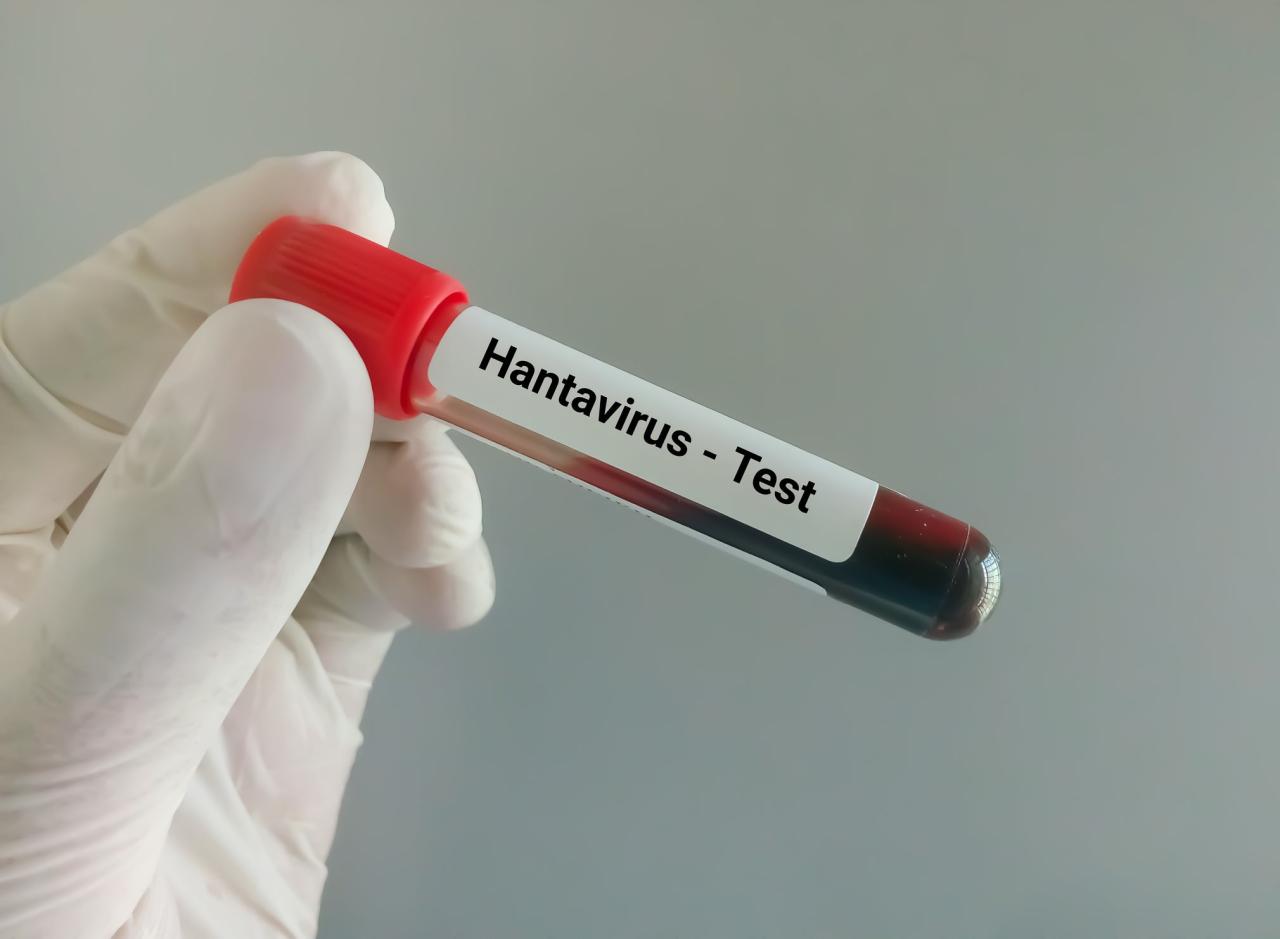
The tranquil image of a luxury expedition cruise gliding through remote polar waters was shattered in April 2026 when a lethal outbreak of hantavirus infection swept through the Dutch-flagged vessel MV Hondius, claiming multiple lives and triggering an unprecedented international public health response that continues to reshape how the maritime and travel industries approach infectious disease management. This comprehensive analysis examines the virological foundations of the outbreak, the clinical progression of the disease, the coordinated global response, and the critical lessons learned for expedition tourism and maritime health security.
Understanding Hantavirus: Virology and Transmission
Hantaviruses constitute a diverse group of enveloped, negative-sense RNA viruses belonging to the family Hantaviridae that establish lifelong, asymptomatic infections in their natural rodent reservoirs. Each hantavirus species exhibits remarkable specificity for a particular rodent host species, a coevolutionary relationship that has developed over millennia. While the global burden of hantavirus infections is estimated at between 10,000 and 100,000 cases annually, with the highest concentration in Asia and Europe, the viruses associated with the Americas present a particularly severe threat due to their propensity to cause pulmonary disease.
The primary mode of transmission to humans occurs through the inhalation of aerosolized viral particles originating from infected rodent excreta, including urine, feces, and saliva. This transmission pathway is particularly insidious because the virus can persist in the environment for extended periods, and the act of cleaning or disturbing contaminated areas can liberate infectious particles into the air. Additionally, contact with contaminated surfaces followed by touching mucous membranes represents another potential route of exposure.
Of the numerous hantavirus species identified worldwide, only the Andes virus (ANDV) has demonstrated the capacity for limited person-to-person transmission, a characteristic that proved critically important in the MV Hondius outbreak. The Andes virus is endemic to regions of Argentina and Chile, and its unique transmissibility through close contact particularly in healthcare settings has profound implications for outbreak management in confined environments such as cruise ships.
The MV Hondius Outbreak: Chronological Progression
The MV Hondius departed from Ushuaia, Argentina, on 20 March 2026, embarking on a transatlantic expedition route that included stops in Antarctica and several remote South Atlantic islands before its planned arrival in the Canary Islands via Cabo Verde. The vessel carried a total of 147 individuals, including passengers from 23 different countries and crew members.
The first fatality occurred on 11 April 2026, when a passenger died aboard the vessel. At that time, the cause of death was attributed to natural causes, and the captain informed passengers that the individual was not infectious. This initial assessment, based on limited information and the absence of immediately apparent contagious indicators, would later prove to be a critical missed opportunity for early intervention. The remains of the index case were subsequently transported to Saint Helena pending repatriation to the Netherlands.
Symptom onset among affected individuals ranged from 6 to 28 April 2026, presenting initially with fever and gastrointestinal symptoms before rapidly progressing to pneumonia, acute respiratory distress syndrome, and shock. By 2 May 2026, a cluster of severe respiratory illness was formally reported among passengers, prompting immediate notification to international health authorities.
As of 4 May 2026, seven cases had been identified, comprising two laboratory-confirmed infections and five suspected cases. Among these, three fatalities were recorded, one patient remained in critical condition in South Africa, and three individuals experienced mild symptoms. The vessel was refused permission to dock at Praia, the capital of Cabo Verde, and remained anchored offshore while emergency medical evacuations were coordinated.
International Response and Containment Measures
The outbreak triggered a coordinated multinational response involving health authorities from Cabo Verde, the Netherlands, Spain, South Africa, the United Kingdom, and the United States, alongside guidance from the World Health Organization and the Africa Centres for Disease Control and Prevention. Laboratory confirmation was conducted at the National Institute for Communicable Diseases in South Africa, with further analyses including serology, sequencing, and metagenomics undertaken to fully characterize the viral strain.
The Africa CDC issued a comprehensive statement emphasizing that while hantaviruses are primarily transmitted through contact with infected rodent excreta and are not typically associated with sustained human-to-human transmission, the clustering of cases in a confined maritime environment warranted heightened vigilance and thorough investigation. The organization advised member states to strengthen port health services, reinforce infection prevention and control measures, and ensure timely reporting of suspected cases.
The United States Centers for Disease Control and Prevention classified the outbreak as a Level 3 emergency response the agency’s lowest level of emergency activation while maintaining active monitoring of passengers across five states. As of 19 May 2026, eighteen recently repatriated American passengers were requested to remain at the Nebraska Quarantine Facility through May 31, representing the 21-day monitoring period. Quarantine orders were issued for two passengers under the Public Health Service Act.
The CDC emphasized that the risk to the general American public remained extremely low, with no hantavirus cases identified in the United States. However, the agency called upon clinicians to maintain vigilance for potential cases among returning travelers and to obtain detailed travel histories from patients presenting with compatible symptoms.
Clinical Manifestations and Disease Progression
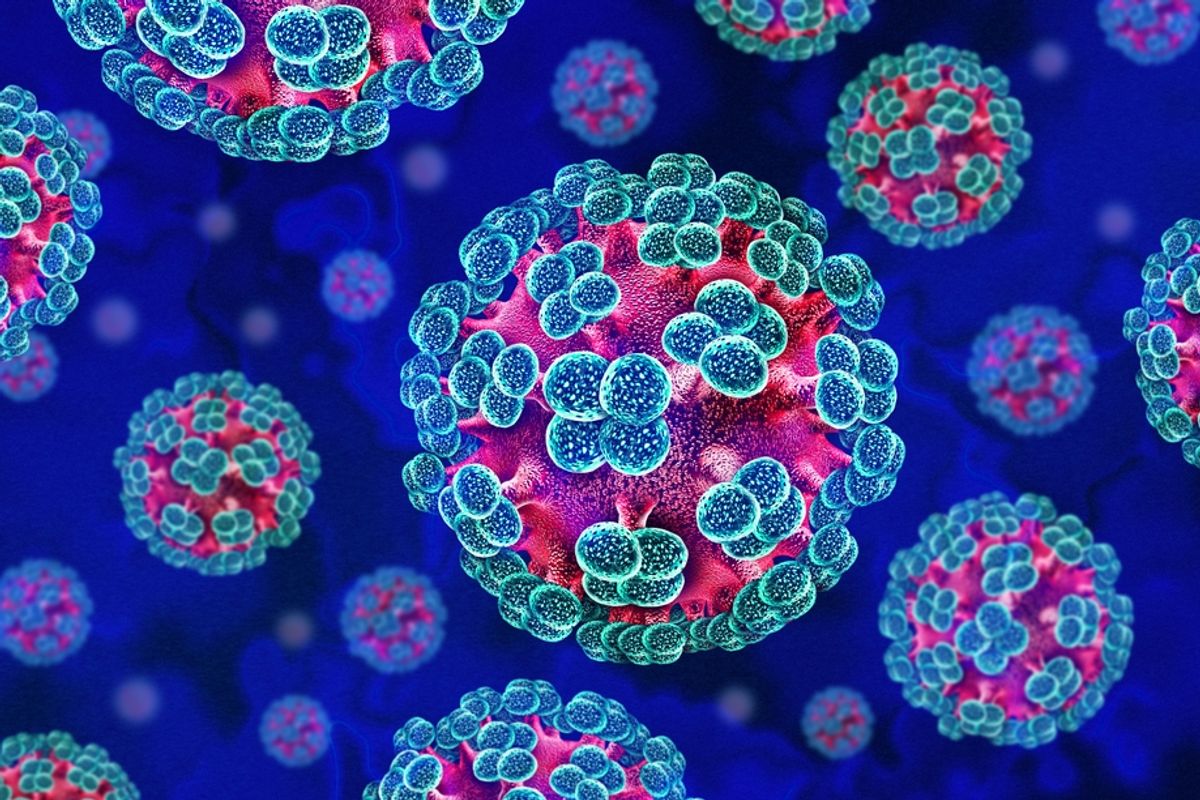
Hantavirus infection in humans can manifest as two distinct clinical syndromes depending on the specific viral species involved. Hantavirus pulmonary syndrome (HPS), predominantly reported in the Americas, is characterized by rapid progression to respiratory failure, while hemorrhagic fever with renal syndrome (HFRS), more common in Europe and Asia, primarily affects kidney function.
The clinical course of HPS typically begins with a prodromal phase lasting three to five days, during which patients experience nonspecific symptoms including fever, severe headache, myalgia, and gastrointestinal complaints such as abdominal pain, nausea, and vomiting. This initial phase is particularly dangerous because symptoms mimic numerous common illnesses, potentially delaying diagnosis during the critical early treatment window. Following this prodrome, the disease may rapidly deteriorate, progressing to cough, shortness of breath, pulmonary edema, and cardiovascular collapse.
The mortality rate associated with American hantavirus strains, including the Andes virus implicated in the MV Hondius outbreak, approaches 38% among individuals who develop respiratory symptoms. This high fatality rate underscores the importance of early recognition and aggressive supportive care. Unfortunately, no specific antiviral therapy has been definitively proven effective for hantavirus pulmonary syndrome, and management remains primarily supportive, focusing on close clinical monitoring, respiratory support, and management of cardiovascular and renal complications.
Prevention Strategies and Risk Mitigation
Preventing hantavirus infection requires a comprehensive approach centered on minimizing contact between humans and infected rodents, particularly in environments where rodent populations may be present.
A. Avoid areas with visible rodent activity or evidence of infestation, including droppings, urine stains, or nesting materials.
B. Implement proper ventilation before entering enclosed spaces that may have been contaminated, allowing any aerosolized viral particles to disperse.
C. Conduct wet-cleaning methods rather than dry sweeping or vacuuming, which can aerosolize infectious particles and increase inhalation risk.
D. Store food in secure containers and maintain strict sanitation practices to discourage rodent attraction.
E. Use appropriate personal protective equipment, including gloves and respiratory protection, when cleaning potentially contaminated areas.
F. Practice rigorous hand hygiene after any potential exposure to rodent-contaminated environments.
G. Seek immediate medical attention if symptoms such as fever, fatigue, or shortness of breath develop following potential exposure.
For expedition cruise operators and maritime health professionals, the MV Hondius outbreak has highlighted the need to move beyond standard syndromic management of common gastrointestinal and respiratory illnesses. The integration of pre-travel counseling with post-travel surveillance, the establishment of clear escalation triggers for rare high-fatality zoonoses, and the development of pre-identified evacuation pathways and receiving centers have emerged as essential components of comprehensive maritime health security.
Implications for the Cruise Industry and Future Preparedness
The 2026 MV Hondius outbreak represents the first documented instance of hantavirus transmission associated with cruise ship travel, marking a significant expansion in the recognized risk profile for expedition tourism. As expedition tourism continues to expand into remote ecologies where travelers may encounter pathogens outside routine pre-travel counseling frameworks, the lessons from this outbreak assume heightened importance.
The event has been characterized as a contained maritime amplification event rather than a signal of pandemic emergence, demonstrating how land-based acquisition, limited onboard human-to-human transmission, delayed recognition, remote evacuation constraints, and multinational repatriation can transform a rare zoonotic occurrence into a complex international response. The most dangerous interval in such outbreaks is not after confirmatory testing, but rather the period when patients present with nonspecific symptoms and remain socially active, potentially exposing others in confined environments.
The cruise industry must now consider the following critical elements in outbreak preparedness:
A. Enhanced pre-embarkation health screening protocols that include assessment for recent exposure to rodent-infested environments.
B. Onboard diagnostic capabilities or established rapid specimen transport pathways to facilitate timely laboratory confirmation.
C. Clear protocols for isolation and quarantine of suspected cases, including designated isolation cabins and defined movement restrictions.
D. Pre-arranged agreements with port health authorities and receiving medical facilities in all anticipated ports of call.
E. Comprehensive crew training on rare zoonotic diseases, including recognition of early clinical signs and appropriate infection control measures.
F. Transparent communication strategies with passengers that balance the provision of accurate information with the maintenance of calm and order.
G. Post-disembarkation surveillance systems that provide returning travelers with clear symptom monitoring guidelines and instructions for informing healthcare providers about their travel history.
Global Health Security Considerations
The MV Hondius outbreak has illuminated several critical aspects of global health security in the maritime context. The rapid multinational coordination that characterized the response demonstrated the value of established international health regulations and communication networks. However, the outbreak also revealed vulnerabilities, including the challenges of managing a public health emergency aboard a vessel in remote waters, the complexities of medical evacuation from such locations, and the difficulties of coordinating quarantine and monitoring across multiple jurisdictions.
The World Health Organization’s assessment that the global risk remained low, while simultaneously acknowledging the unusual nature of person-to-person transmission in this setting, reflects the nuanced and evolving understanding of hantavirus epidemiology. The organization’s rapid risk assessment emphasized the importance of a risk-based approach to the identification, monitoring, and management of contacts of probable or confirmed Andes virus cases.
The psychological impact on passengers and crew—who found themselves confined aboard a vessel where a lethal virus was circulating, with limited information and delayed evacuation—also warrants consideration. The captain’s initial announcement that the first fatality was due to natural causes and that the individual was not infectious, while perhaps reasonable given the information available at the time, highlights the challenges of communicating evolving risk in real-time. The Turkish passenger who filmed the announcement reported that no immediate safety precautions were implemented following the first death, underscoring the critical importance of erring on the side of caution in outbreak situations.
Conclusion
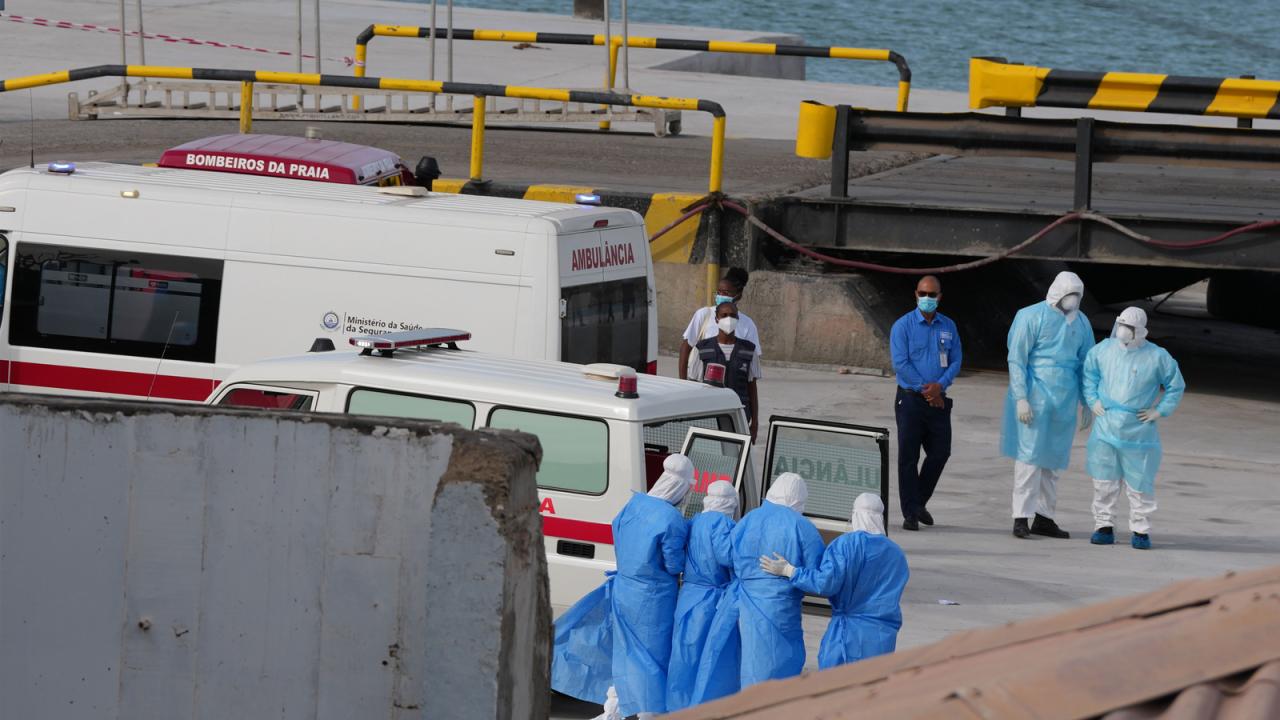
The 2026 hantavirus outbreak aboard the MV Hondius serves as a stark reminder of the interconnectedness of global health and the potential for rare zoonotic pathogens to cause significant morbidity and mortality when introduced into confined, mobile populations. While hantavirus infection remains a rare occurrence in cruise ship settings, and the World Health Organization has appropriately characterized the global risk as low, the outbreak has demonstrated the necessity for enhanced vigilance, preparedness, and response capabilities within the expedition cruise industry.
The lessons learned from this event extend beyond hantavirus specifically. They encompass fundamental principles of outbreak detection, rapid response, international coordination, and risk communication that are applicable to a wide range of emerging infectious disease threats. As global travel continues to expand into increasingly remote and ecologically diverse regions, the likelihood of encountering novel or unusual pathogens will only increase. The MV Hondius outbreak provides a valuable case study in both the challenges and the potential solutions for managing such events in the maritime environment.
Ultimately, the health and safety of travelers and crew members must remain paramount, and this requires sustained investment in surveillance systems, diagnostic capacity, infection prevention measures, and international collaboration. The memory of those who lost their lives in this outbreak serves as a solemn reminder of the stakes involved and the continuing need for vigilance in protecting human health across all environments, including the most remote reaches of our oceans.