Cutting-Edge Sleep Science Secrets for Optimal Health
In an era defined by relentless pace and constant digital connectivity, the quality of our sleep has never been more critical—or elusive. Far from being a mere period of rest, modern research emphatically confirms that sleep is an active, essential neurological process that determines everything from our immune function and metabolic health to our cognitive performance and emotional resilience.
Recent breakthroughs in sleep science have moved beyond conventional wisdom, unveiling deeper mechanisms of the sleeping brain and offering revolutionary, evidence-based strategies for achieving truly restorative rest. This comprehensive guide delves into the latest, most significant discoveries that are transforming our understanding of sleep and how we can leverage this knowledge for a healthier, more productive life.
The Dynamic Sleep Cycle: Beyond Simple Rest
The traditional model of sleep—divided into Non-Rapid Eye Movement (NREM) and Rapid Eye Movement (REM) phases—has been refined by cutting-edge neurological studies. It’s now understood that each stage is a complex, choreographed process with distinct, vital functions. New imaging and electrical monitoring techniques are revealing the intricate neural dance that occurs every night.
A. The Critical Stages of Non-REM (NREM) Sleep
NREM sleep, which typically constitutes about 75% of total sleep time, is categorized into three stages, N1 through N3. Recent science has elevated the importance of these stages, particularly for key brain functions.
A. New Insights into NREM Synchronization and Performance
The lighter NREM sleep stages (N1 and N2), once considered less critical than deep sleep, are now understood to be vital for brain preparation. A surprising new discovery suggests that NREM sleep actively desynchronizes cortical circuits. While receiving synchronizing inputs during sleep, neurons post-sleep fire more independently, a shift that leads to improved accuracy in information processing and enhanced performance on cognitive tasks. This reveals NREM sleep acts as a powerful “boost” or reset mechanism for the brain’s ability to handle new information.
B. The Deepest Stage: NREM Stage 3 (Slow-Wave Sleep)
Stage N3, often called deep sleep or slow-wave sleep (SWS), is characterized by the presence of high-amplitude, low-frequency delta waves. Recent research confirms its role as the brain’s primary housekeeping phase.
- A. Metabolic Waste Clearance: The brain’s glymphatic system, discovered relatively recently, operates most effectively during SWS. This process involves a dramatic increase in the flow of cerebrospinal fluid (CSF), which essentially flushes out metabolic waste products, including the toxic proteins (like beta-amyloid) associated with neurodegenerative diseases such as Alzheimer’s.
- B. Physical Restoration: This stage is crucial for physical repair, tissue growth, hormone release (like Human Growth Hormone), and strengthening the immune system.
- C. Memory Consolidation: Far from being passive, SWS is an active stage for memory. Researchers have found that specific brain wave oscillations during SWS, particularly sleep spindles (brief bursts of electrical activity), actively “re-play” and transfer temporary memories from the hippocampus to the neocortex for long-term storage.
B. The Multifaceted Role of REM Sleep
REM sleep, characterized by rapid eye movement and brain activity similar to wakefulness, is the primary stage for vivid dreaming and typically accounts for about 25% of a night’s rest.
- A. Emotional Regulation: REM sleep is strongly linked to processing and regulating emotions. The brain activity during REM helps to integrate emotional memories and experiences, effectively “softening the emotional edge” of a day’s events, which is critical for mental health and stress reduction.
- B. Creative Problem Solving: The free-flowing, often illogical nature of REM-sleep dreaming is thought to be an evolutionary mechanism for creative problem-solving. By forging unexpected connections between disparate concepts, REM sleep facilitates novel insights and abstract thought processes.
Circadian Rhythms: The Master Clock Alignment

A central pillar of modern sleep science is the circadian rhythm, the body’s intrinsic 24-hour cycle. New findings highlight the profound health risks associated with chronic misalignment between this internal clock and the external environment.
A. The Impact of Chronodisruption
Chronodisruption—a state where the internal clock is constantly out of sync—is no longer viewed as just an inconvenience (like jet lag). It is now linked to serious chronic health conditions:
- A. Cardiometabolic Disease: Chronic misalignment, often caused by shift work or erratic sleep schedules, increases the risk of hypertension, type 2 diabetes, and cardiovascular disease by disrupting the rhythmic regulation of metabolism, glucose control, and vascular function.
- B. Mental Health: The circadian system also regulates mood. Disruptions are associated with higher rates of depression, anxiety, and other mood disorders.
- C. Cancer Risk: Studies on shift workers suggest a correlation between chronic light exposure at night and altered melatonin production, potentially increasing the risk for certain cancers.
B. The Light-Dark Gatekeeper
Light remains the most powerful zeitgeber (time cue) for the circadian rhythm. The discovery of a non-visual light receptor in the eye, which detects blue light and signals the body’s master clock in the suprachiasmatic nucleus (SCN), has profound implications.
- A. Evening Blue Light Suppression: Exposure to blue-wavelength light from screens (phones, tablets, computer monitors) in the hours before bed can significantly suppress the release of melatonin, the “darkness hormone” that signals the body it’s time to sleep. This causes a phase delay, making it harder to fall asleep and shifting the body’s entire sleep-wake cycle later.
- B. Morning Light for Synchronization: Conversely, early morning exposure to bright, natural light is crucial for anchoring and advancing the circadian rhythm, helping to establish an optimal, consistent wake time.
New Frontiers in Sleep Disorders
Recent research is dramatically improving the diagnosis and treatment of long-standing sleep disorders, most notably insomnia and sleep apnea.
A. Insomnia Subtypes: A Personalised Approach
Insomnia, traditionally treated as a single disorder, is now recognized as having distinct biological subtypes. Brain imaging studies have revealed evidence of different forms of insomnia, each with an associated pattern of neural wiring and structural changes.
- A. Neurobiological Tailoring: By identifying these subtypes, clinicians can move toward personalized treatment plans, tailoring therapies (beyond standard Cognitive Behavioral Therapy for Insomnia or CBT-I) to the specific biological signature of the patient. For example, some subtypes may be more prone to developing depression, allowing for early preventive mental health interventions.
- B. Paradoxical Insomnia: The phenomenon where an individual insists they are awake despite clear physiological evidence of sleep (often called sleep-state misperception) is increasingly understood. This condition, sometimes referred to as Paradoxical Insomnia, is thought to involve a heightened level of “wake-like” brain activity during sleep, influencing subjective perception. New research on the brain’s transition into sleep is uncovering a sudden “tipping point” rather than a gradual process, which may help explain these perceptual disconnects.
B. Advancements in Sleep Apnea Treatment
Obstructive Sleep Apnea (OSA) remains a common, yet dangerous, disorder. Advances are focusing on alternatives to the cumbersome Continuous Positive Airway Pressure (CPAP) machine.
- A. Targeted Neurostimulation: New, FDA-approved implantable devices, which work by stimulating a nerve to keep the upper airway open during sleep, represent a significant breakthrough for patients intolerant to CPAP.
- B. Pharmaceutical Interventions: The exploration of existing drugs, such as certain epilepsy medications, is showing promise in reducing symptoms of sleep apnea, pointing toward future non-device treatment options.
The New Science of Sleep Hygiene: Practical Application
The latest discoveries transform the concept of “sleep hygiene” from a simple list of rules into a science-backed, highly optimized routine. Achieving truly deep, restorative sleep requires an understanding of the brain’s maintenance needs.
A. Optimize Your Sleep Environment
Based on the latest findings regarding brain temperature, light exposure, and sensory input:
- A. Thermal Regulation is Key: Research shows a slight drop in core body temperature is an essential trigger for sleep initiation and the consolidation of deep sleep. Keep the bedroom cool—typically between $60$–$67^\circ$F ($15$–$19^\circ$C)—to facilitate this natural temperature decline. A warm bath or shower about 90 minutes before bed can paradoxically help, as the subsequent rapid cool-down from the warmer skin temperature enhances the core temperature drop.
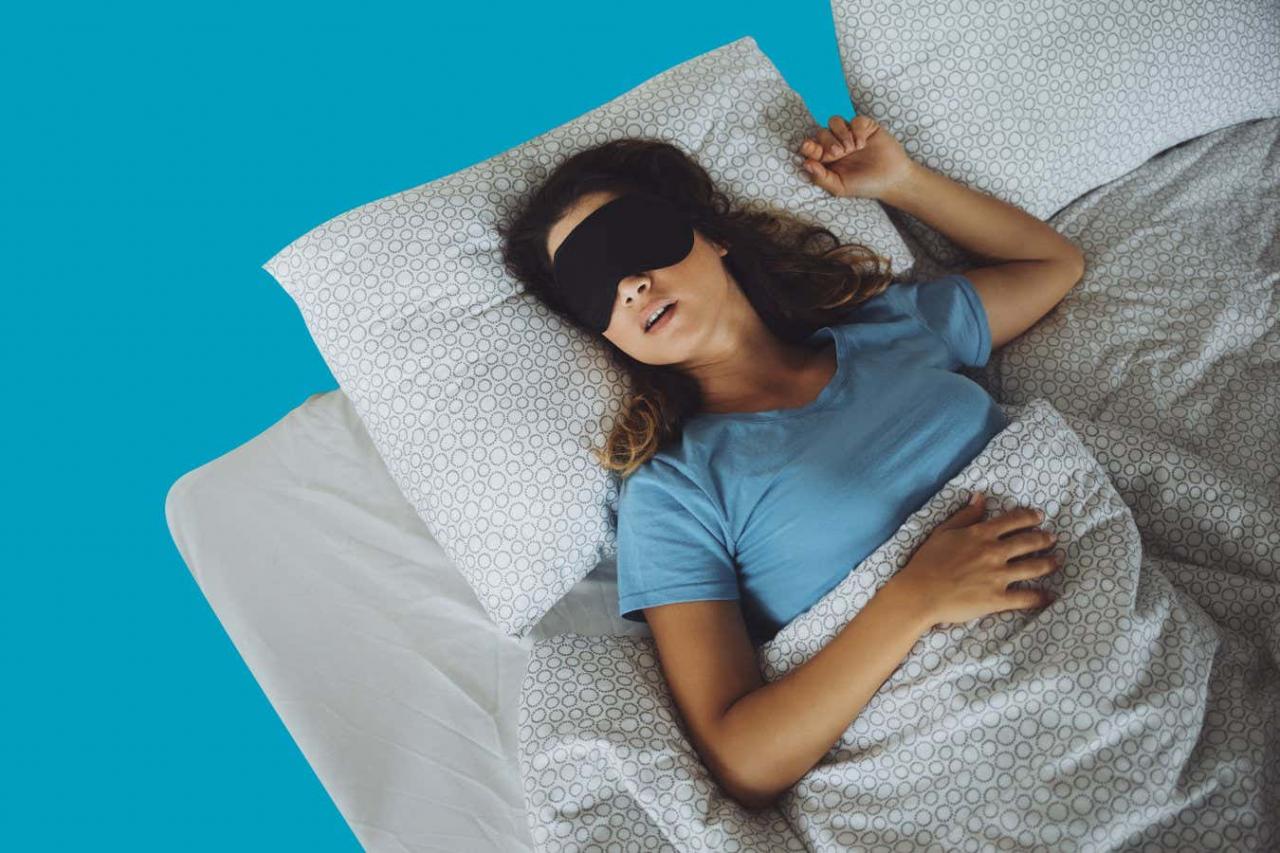
- B. Absolute Darkness is Non-Negotiable: Even faint light, particularly blue-spectrum light, can penetrate the eyelids and disrupt melatonin production. Use blackout curtains or an eye mask to ensure the room is as dark as possible to support the necessary hormonal and physiological changes for deep rest.
B. The Pre-Sleep Wind-Down Ritual
The abrupt transition from high-stimulation to sleep is neurologically challenging. Science advocates for a structured, non-stimulating transition period.
- A. The “Digital Sunset” Rule: Turn off all bright, blue-light-emitting screens (smartphones, tablets, laptops, TVs) at least 60 to 90 minutes before your target bedtime. This is essential for allowing the body’s natural melatonin levels to rise, correctly signalling the brain for sleep.
- B. Mind-Calming Activities: Engage in activities that promote a downward shift in mental and physiological arousal. Examples include:
- A. Reading a Physical Book: Use a dim, red-spectrum light, which has a minimal effect on melatonin.
- B. Gentle Stretching or Yoga: This can help release muscular tension accumulated during the day.
- C. Non-Directive Meditation: Focus on breathing or body scanning to calm the autonomic nervous system.
- C. The “Worry List” Strategy: If stress or racing thoughts are a barrier, allocate 15-20 minutes outside the bedroom to write down worries, tasks, or plans for the next day. This psychological technique clears the mental slate, preventing the bed from becoming associated with problem-solving.
C. Daytime Habits for Nighttime Success
Sleep quality is heavily influenced by actions taken throughout the day, driven by the interaction of the circadian and homeostatic (sleep-drive) processes.
- A. Consistent Wake Time: This is arguably the most important sleep hygiene rule. Going to bed and waking up at the same time every day—even on weekends—powerfully reinforces the circadian clock, making both falling asleep and waking up much easier. The wake time is more important than the bed time.
- B. Time Your Exercise: Regular physical activity significantly improves sleep quality, increasing the time spent in deep NREM sleep. However, avoid intense exercise too close to bedtime (within 2-3 hours) as it raises core body temperature and alertness.
- C. Strategic Napping: If a nap is needed, keep it short (under 20-30 minutes) and early in the afternoon. Late or long naps can significantly reduce the crucial homeostatic sleep drive needed for consolidated nighttime sleep.
Conclusion: Embracing the Science of Sleep
The latest science confirms that sleep is not a passive break, but an indispensable biological imperative—a highly active period of neural reorganization, waste clearance, emotional processing, and cognitive enhancement. From the discovery of insomnia subtypes to the critical role of NREM desynchronization and the power of light in regulating our internal clock, these discoveries provide a clear, actionable roadmap for better health. By moving beyond old assumptions and embracing a science-first approach to sleep hygiene, we can optimize the most fundamental—and often most overlooked—pillar of our well-being.