Artificial Intelligence (AI) stands as one of the most transformative technological advancements of the 21st century, with its impact reverberating across numerous sectors. Few fields, however, are experiencing a revolution as profound as healthcare, particularly in the realm of disease diagnosis. The integration of sophisticated machine learning models, deep learning networks, and natural language processing (NLP) into medical practices is fundamentally reshaping how illnesses are identified, categorized, and even predicted. This long-form article delves into the multi-faceted ways AI is currently revolutionizing diagnostic accuracy, the cutting-edge applications driving this change, the inherent benefits for patients and clinicians, and the complex challenges that must be navigated for its successful, ethical, and widespread adoption.
The Foundation of AI-Driven Diagnostics
At its core, AI-driven diagnosis utilizes algorithms trained on massive, diverse datasets—comprising medical images (X-rays, MRIs, CT scans, ultrasounds), electronic health records (EHRs), genomic data, lab results, and physician notes—to identify patterns invisible or too subtle for the human eye and mind to consistently recognize. These algorithms, principally based on Machine Learning (ML) and Deep Learning (DL), become adept at recognizing subtle biomarkers, structural anomalies, and prognostic indicators associated with various diseases.
Key AI Technologies Driving the Change
The diagnostic revolution is powered by several interconnected AI technologies:
A. Deep Learning (DL) and Convolutional Neural Networks (CNNs): These are exceptionally powerful for analyzing medical imaging data. CNNs, in particular, can process image data directly, learning complex spatial hierarchies of features—from edges and textures to full organ structures—that are indicative of pathology. They excel at tasks like segmenting tumors, identifying microcalcifications in mammograms, and detecting early signs of diabetic retinopathy in retinal scans.
B. Natural Language Processing (NLP): NLP is crucial for interpreting unstructured clinical data found in physician notes, discharge summaries, pathology reports, and scientific literature. By converting this text into structured, analyzable data, NLP systems can help link symptoms, family history, and lifestyle factors to potential diagnoses, often improving the consistency and completeness of patient records used for diagnosis.
C. Predictive Analytics and Machine Learning (ML): ML models, including random forests, support vector machines, and various regression techniques, analyze structured patient data (lab values, demographics, genetics) to calculate a patient’s risk of developing a disease (e.g., heart disease, diabetes, or certain cancers) before symptoms fully manifest, enabling proactive and preventative care strategies.
D. Reinforcement Learning (RL): While less common in pure diagnosis than DL, RL holds promise in developing AI systems that can learn optimal diagnostic decision-making pathways by interacting with and receiving feedback from simulated clinical environments, continually refining the sequence of tests and questions needed for a definitive diagnosis.
Revolutionizing Medical Imaging: The Visual Power of AI
The most immediate and significant impact of AI has been felt in diagnostic imaging and pathology. AI systems can process images at speeds and volumes that far surpass human capabilities, offering a powerful “second opinion” or initial screening tool for clinicians.
Specific Applications in Imaging and Pathology
A. Radiology and Computer Vision: * Cancer Detection: AI algorithms can flag suspicious nodules in lung CT scans, breast density patterns in mammograms, or prostate lesions in MRI scans with high sensitivity, often catching early-stage cancers that might be overlooked during a quick human review. This drastically reduces the false negative rate, a critical factor in patient prognosis. * Stroke and Heart Disease: Rapid analysis of brain scans (CT/MRI) for acute stroke diagnosis (identifying ischemic penumbra or hemorrhage) significantly speeds up the time to intervention, which is essential for preserving brain function. In cardiology, AI is used to analyze cardiac MRI and CT angiography for signs of coronary artery disease and structural heart anomalies.
B. Ophthalmology: * AI is a mature diagnostic tool in this field, particularly for Diabetic Retinopathy (DR). DL models can analyze retinal photographs to detect subtle hemorrhages and microaneurysms, classifying the severity of DR. This is especially impactful in large-scale screening programs where human specialist availability is limited.
C. Digital Pathology: * Pathologists are increasingly using AI to analyze gigapixel-sized whole-slide images (WSIs) of tissue biopsies. AI assists in counting cells, grading tumor aggressiveness (e.g., Gleason score for prostate cancer), and identifying microscopic metastasis in lymph nodes, accelerating throughput and standardizing the subjective process of grading.
Early Detection and Proactive Predictive Modeling
Perhaps the most life-saving aspect of AI in diagnosis is its ability to transition medicine from reactive treatment to proactive prevention. AI models use a comprehensive view of patient data to forecast future health risks.
A. Risk Stratification in Chronic Diseases: * AI can analyze a combination of patient history, genetic markers, lifestyle data (from wearables), and lab results to predict the likelihood of developing conditions like Type 2 Diabetes, hypertension, or Chronic Kidney Disease years in advance. This allows clinicians to implement aggressive lifestyle modifications or preventative pharmacological interventions.
B. Genomics and Precision Medicine: * AI is central to Precision Diagnosis by analyzing complex genomic sequences (whole-genome sequencing data) to pinpoint specific mutations or gene expressions driving a disease. This shifts the focus from treating a general condition to treating a patient’s unique biological and genetic manifestation of that condition, leading to highly personalized treatment recommendations.
C. Sepsis and Acute Deterioration Prediction: * In hospital settings, real-time ML models continuously monitor physiological data streams (heart rate, blood pressure, oxygen saturation) to predict life-threatening events like sepsis or cardiac arrest hours before traditional scoring systems, providing a crucial window for timely medical intervention.
Enhancing Clinical Workflow and Accessibility
AI does not merely improve accuracy; it fundamentally optimizes the workflow of the diagnostic process, making healthcare faster, more cost-effective, and more accessible.
A. Triage and Prioritization: * AI algorithms can automatically flag and prioritize medical images or lab results that show high probability of critical findings (e.g., intracranial hemorrhage on a CT scan or a positive malignant biopsy), ensuring urgent cases receive immediate attention from the human specialist.
B. Reducing Diagnostic Errors and Variability: * Human diagnosis, especially under pressure, is susceptible to fatigue and cognitive bias. AI systems provide a consistent, tireless diagnostic capability, drastically reducing inter-observer variability (the difference in diagnoses between two human experts) and lowering the overall rate of missed or delayed diagnoses.
C. Global Health Equity: * In areas with limited specialist access, AI-powered diagnostic tools running on simple hardware (like smartphones or portable imaging devices) can bring specialist-level diagnostic capabilities to remote clinics. For instance, AI analysis of chest X-rays for Tuberculosis or cervical cancer screening via mobile colposcopy images can democratize access to essential diagnostic services.
Navigating the Challenges and Ethical Landscape
Despite the monumental potential, the path to fully integrating AI into routine diagnostics is fraught with significant technical, regulatory, and ethical hurdles.
A. Data Dependency and Bias: * AI models are only as good as the data they are trained on. If the training data lacks diversity (e.g., predominantly from a single ethnic group or institution), the resulting AI may perform poorly or exhibit bias when applied to different populations, potentially exacerbating existing health disparities. Addressing this requires enormous, globally representative datasets.
B. The “Black Box” Problem: * Many of the most powerful DL algorithms operate as “black boxes,” meaning their decision-making process is opaque and difficult for a human physician to interpret or audit. Clinicians require eXplainable AI (XAI)—systems that provide clear, understandable rationales for their diagnoses—to build trust and ensure accountability in patient care.
C. Regulatory and Liability Frameworks: * The regulatory environment is struggling to keep pace with AI innovation. Clear guidelines are needed for the validation, approval, and monitoring of AI as a medical device. Furthermore, establishing liability when an AI system contributes to a diagnostic error remains an unresolved legal and ethical challenge.
D. Integration into Existing Infrastructure: * Successfully integrating sophisticated AI software into archaic and fragmented electronic health record (EHR) systems and hospital IT networks is a significant practical barrier, often requiring substantial investment and technical expertise.
E. Patient and Physician Trust: * The human element of care is irreplaceable. Building confidence among both patients and physicians—ensuring that AI is viewed as an augmentative partner rather than a replacement—is essential for widespread clinical acceptance.
The Future Synergy: AI and Human Expertise
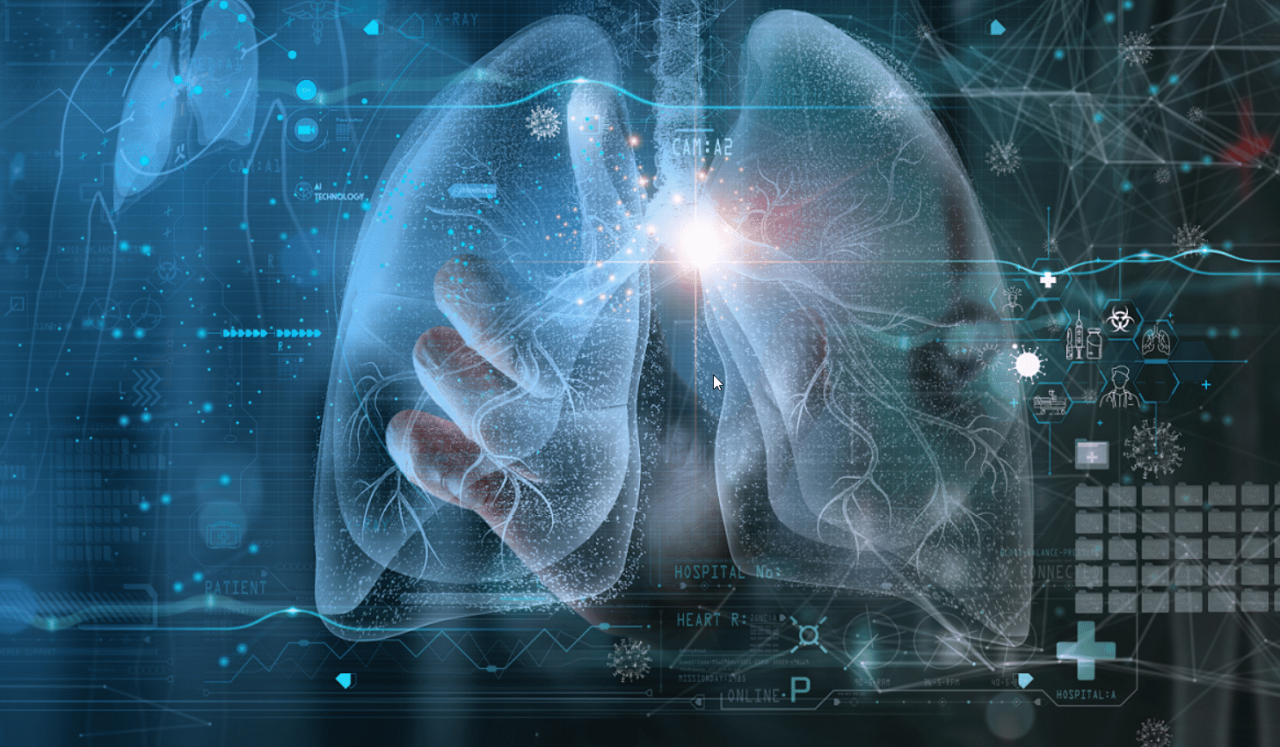
The consensus among experts is that the future of medical diagnosis is not AI replacing the doctor, but rather the creation of a symbiotic relationship: Augmented Intelligence. AI will manage the exhaustive analysis of massive data streams, prioritizing information and suggesting likely hypotheses, while the physician retains the ultimate authority, applying human context, compassion, clinical judgment, and direct patient interaction to form the final diagnosis and treatment plan.
The next generation of AI in diagnostics will likely focus on:
- Developing AI that can integrate disparate data types (image, genetic, clinical narrative) for truly holistic patient profiles.
- Creating highly accurate, deployable models for rare diseases, where data scarcity makes current ML models challenging to train.
- Focusing on generalizability, ensuring models trained in one region perform reliably when implemented elsewhere.
The diagnostic landscape is at an inflection point. By carefully navigating the challenges of data quality, transparency, and regulation, Artificial Intelligence promises to unlock unparalleled levels of accuracy, speed, and accessibility, ushering in an era of medicine that is profoundly more predictive, personalized, and effective for global patient populations.